
The Anti-Inflammatory Diet: What to Eat, What to Avoid, and What Actually Works
- Eat anti-inflammatory, cut the triggers: prioritize omega-3-rich fish, colorful vegetables, polyphenol-rich spices and healthy fats while cutting refined carbs, added sugar, seed oils and processed meats.
- A 2025 meta-analysis of 33 randomized trials found the Mediterranean-style anti-inflammatory diet significantly reduces CRP, IL-6 and IL-17 markers.
- Curcumin with piperine (for 2,000% better absorption), omega-3 fish oil and vitamin C show the strongest clinical evidence for reducing inflammatory markers.
- The Bulletproof Diet naturally aligns with anti-inflammatory principles, emphasizing grass-fed proteins, clean fats and low-toxin foods that may support sustained energy and reduced discomfort.
What Is Chronic Inflammation (and Why Your Diet Matters)
One source says to cut nightshades. Another says tomatoes are protective. A coworker swears by turmeric, but then you read it barely absorbs. If you’ve felt confused by conflicting advice about the anti-inflammatory diet, you’re not alone. The confusion is the problem, not the science.
Here’s what the research consistently shows: chronic, low-grade inflammation is one of the most significant drivers of disease in the modern world. Unlike the acute inflammation that helps you heal a cut or fight an infection, chronic inflammation operates quietly, damaging blood vessels, disrupting gut health and contributing to conditions like heart disease, type 2 diabetes, obesity and cognitive decline. Researchers often call it the “silent killer” because the damage accumulates before symptoms become obvious.
The connection between what you eat and how inflamed your body becomes is not theoretical. A 2024 meta-analysis of 13 studies involving 54,813 participants found that people eating the most pro-inflammatory diets had 1.25 times higher odds of elevated C-reactive protein (CRP), a key blood marker of systemic inflammation, compared to those eating the most anti-inflammatory diets.[1] At Bulletproof, we’ve built our entire product line around this principle: that what you put in your body every day directly influences how you feel, think and perform. Our rigorously tested coffee, Brain Octane C8 MCT oil, grass-fed collagen proteins and performance-focused supplements are designed to support this daily optimization.
The good news? An anti-inflammatory diet isn’t a restrictive fad. It’s a framework, and once you know which foods to prioritize and which to eliminate, the path forward is straightforward.
Anti-Inflammatory Foods to Eat
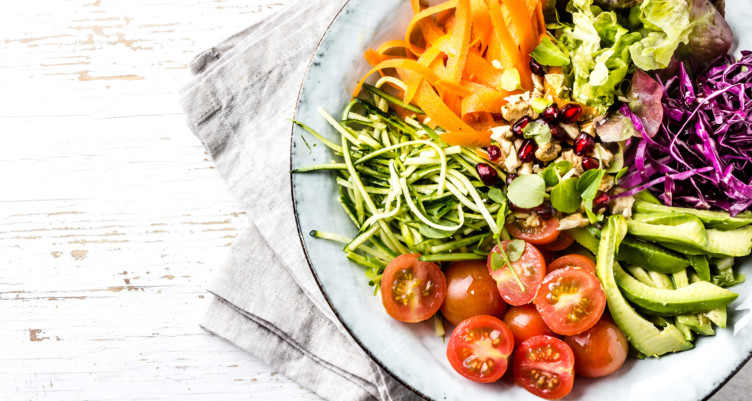
The anti-inflammatory foods list below is organized by category, with each group backed by research showing why it helps reduce inflammatory markers. Think of this as your grocery shopping framework.
Omega-3-Rich Fish and Seafood
Wild-caught salmon, sardines, mackerel and anchovies are among the most potent anti-inflammatory foods available. Aim for 3-4 ounces of fatty fish at least twice weekly. If you don’t eat fish regularly, a high-quality omega-3 supplement can help bridge the gap. Look for third-party tested options to ensure purity.
Colorful Vegetables and Leafy Greens
Dark leafy greens like spinach, kale and Swiss chard are dense in polyphenols and antioxidants that neutralize free radicals before they trigger inflammatory cascades. Cruciferous vegetables — broccoli, cauliflower and Brussels sprouts — contain sulforaphane, a compound with well-documented anti-inflammatory effects.
Don’t overlook color diversity. Bell peppers, sweet potatoes, beets and carrots each carry different antioxidant profiles. Eating a range of colors ensures you’re covering multiple anti-inflammatory pathways rather than relying on a single compound.
Berries and Anti-Inflammatory Fruits
Blueberries, strawberries, raspberries and tart cherries are among the most researched anti-inflammatory fruits. Their anthocyanin content, the pigments responsible for deep blue and red colors, directly inhibits inflammatory enzymes. Research found that participants who consumed 1 cup of blueberries daily for 6 months showed marked improvements in endothelial function, cholesterol concentrations and systemic arterial stiffness.[2]
Citrus fruits (oranges, grapefruit) contribute vitamin C, another nutrient with anti-inflammatory and antioxidant activity. Avocados deserve a mention here too. They’re rich in monounsaturated fats and polyphenols that support a healthy inflammatory response.
Nuts, Seeds, and Healthy Fats
Walnuts lead the pack with the highest omega-3 content among nuts. Almonds, pistachios, chia seeds and flaxseeds each contribute fiber, healthy fats and anti-inflammatory compounds. Extra virgin olive oil, a cornerstone of the Mediterranean diet, contains oleocanthal, a phenolic compound that works similarly to ibuprofen in reducing inflammation.[3]
Brain Octane C8 MCT oil also plays a role here. Pure C8 (caprylic acid) converts to ketones faster than other MCT types, and ketones have documented restorative properties.[4] Adding it to your morning coffee or smoothie introduces a clean-fat energy source that may also support reduced discomfort. You can learn more about MCT oil benefits and how C8 specifically differs from blended MCT oils.
Anti-Inflammatory Spices and Herbs
Turmeric and inflammation have been studied extensively. The active compound curcumin is a potent anti-inflammatory polyphenol that has been shown in a GRADE-assessed meta-analysis of randomized controlled trials to significantly reduce levels of CRP, TNF-alpha and IL-6.[5] The catch? Curcumin alone has poor bioavailability. Your body breaks it down before it can work. Pairing curcumin with piperine (found in black pepper) increases absorption by up to 2,000%.[6]
Ginger contains gingerol, a bioactive compound with anti-inflammatory and antioxidant effects. Rosemary, cinnamon and cloves also carry notable anti-inflammatory activity. Use these liberally in cooking. The cumulative effect of daily spice consumption adds up.
More Diet Tips From Bulletproof


Whole Grains and Legumes
Brown rice, quinoa, oats, lentils and beans are high in fiber, which has been associated with reduced CRP levels.[7] Fiber feeds beneficial gut bacteria that produce short-chain fatty acids, compounds that help maintain the gut lining and reduce systemic inflammation.
The key distinction is whole vs. refined. Intact grains with their fiber and nutrient content support gut health and inflammation. Stripped, refined grains do the opposite.
Four Bulletproof Superfoods to Fight Inflammation
From our earliest research into food quality and performance, these four foods stood out as daily anti-inflammatory staples. Each one belongs in the kitchen of anyone serious about reducing inflammation:
- Coffee — rich in antioxidants, coffee has been shown to support brain health and insulin sensitivity.[8] Quality matters, especially if you drink it daily. Conventional coffee can contain mold toxins that drive inflammation, which is why Bulletproof coffee beans are rigorously tested for mold toxins and Rainforest Alliance certified.
- Grass-Fed Butter — contains butyrate, a short-chain saturated fat with health-related benefits including support for gut lining integrity. Look for grass-fed sources for consistent quality and a better omega-3 to omega-6 profile.
- Vanilla — contains vanilloids, compounds that may help with brain function. Real vanilla bean or high-quality extract (not artificial vanilla flavor) is the standard to look for. It’s a great add-in for coffee or dessert.
- Dark Chocolate — high in antioxidants and able to favorably alter eicosanoid levels, which play a role in the body’s inflammatory response.[9] Look for high-quality chocolate with a cacao content of at least 70%.
Foods That Cause Inflammation
Knowing what to eat is half the equation. The foods below are documented inflammation triggers, and removing them often produces faster, more noticeable results than adding anti-inflammatory foods alone.
Refined Carbohydrates and Added Sugar
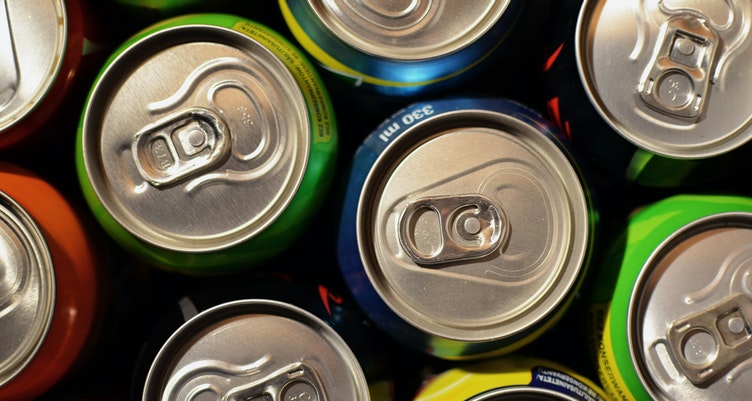
White bread, pastries, sugary cereals and soda represent some of the most inflammatory foods in the modern diet. Your body quickly converts refined carbohydrates into glucose, causing a glycemic spike. Research shows the resulting insulin response leads to oxidative stress that directly produces inflammation.[10]
Added sugar, particularly fructose, inflames the endothelium, the thin inner lining of your heart and blood vessels. A single 12-ounce can of cola contains nearly 10 teaspoons of sugar. Swap refined grains for whole grains and replace sugary drinks with water, green tea or Bulletproof Coffee.
Processed and Seed Oils
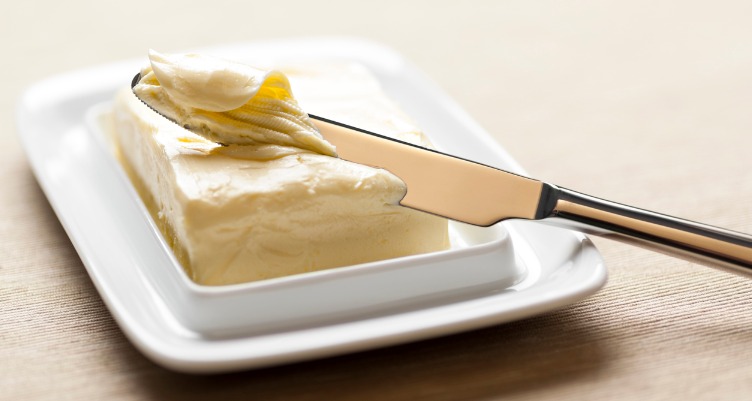
Soybean oil, corn oil, canola oil and sunflower oil are high in omega-6 fatty acids. While your body needs some omega-6, the modern diet delivers far too much relative to omega-3, creating an imbalanced ratio that promotes inflammatory pathways.[11]
Better alternatives: cook with grass-fed butter, ghee, extra virgin olive oil or coconut oil. For your morning coffee, Brain Octane C8 MCT oil offers a clean fat source that supports ketone production without the inflammatory omega-6 load.
Processed Meats

Bacon, sausage, hot dogs, deli meats and pepperoni contain advanced glycation end products (AGEs), nitrates and other compounds that drive inflammation. The processing methods (curing, smoking and adding preservatives) create molecules your body treats as threats, engaging an inflammatory immune response.
Choose grass-fed, pasture-raised proteins instead. The sourcing matters: grass-fed beef has a healthier omega-3 to omega-6 ratio than conventionally raised alternatives.
Fried Foods and Trans Fats
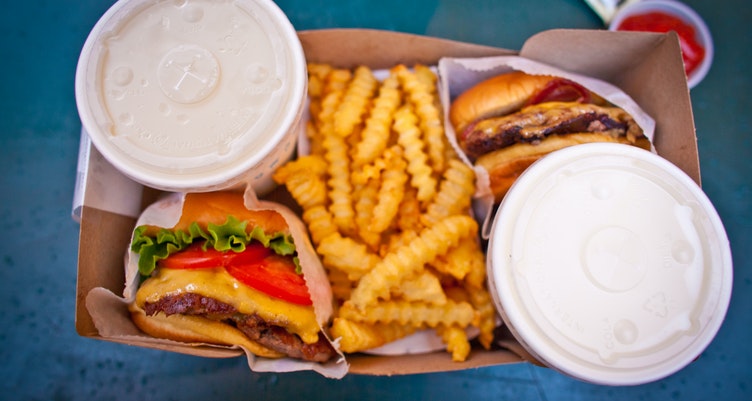
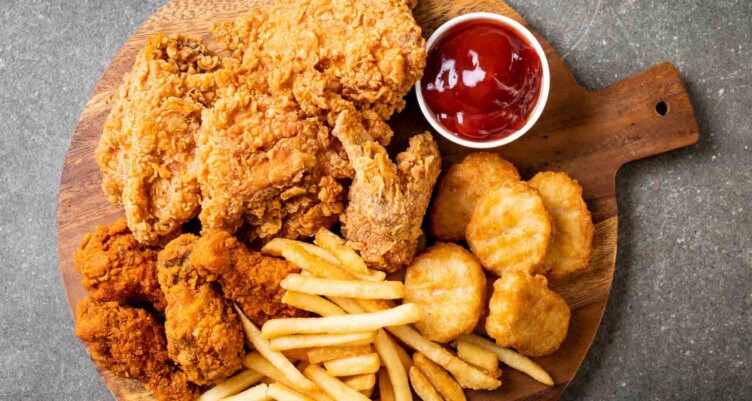
Restaurants and packaged food companies use hydrogenated oils, margarine and shortening to create crispy fried foods. These contain trans fatty acids that cause inflammation of the endothelium and are linked to increased cardiovascular risk.[12]
Even when trans fats are “eliminated” from labels, repeated heating of cooking oils at high temperatures (common in commercial fryers) generates harmful compounds. Cook at home with stable fats: ghee, avocado oil or grass-fed butter, whenever possible.
Alcohol

Alcohol drives inflammation through two pathways: first, it causes DNA damage to cells, which engages an inflammatory repair response. Second, it damages the liver directly, producing inflammation, abdominal swelling and impaired detoxification capacity.
Moderate consumption (1 drink or fewer per day) may be tolerable for some people, but if you’re actively working to reduce CRP or manage a chronic inflammatory condition, reducing or eliminating alcohol is one of the highest-impact changes you can make.
Ultra-Processed Foods
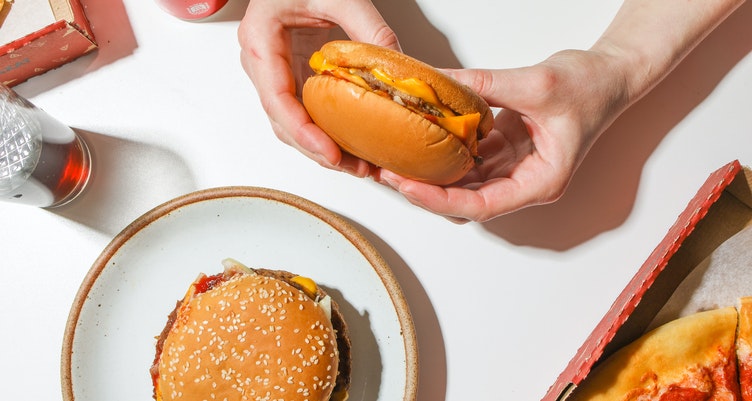
A 2025 report published in the journal Nutrients found that ultra-processed foods can change the composition of gut bacteria, damage the gut’s protective lining and switch on inflammatory genes in cells.[13] This category includes microwave dinners, packaged snacks, flavored yogurts with added sugar, protein bars with artificial ingredients and most fast food.
The simplest rule: if it has an ingredient list longer than 5 items you can’t pronounce, it’s likely pro-inflammatory. Focus on whole, single-ingredient foods as the foundation of your chronic inflammation diet strategy.
Supplements That May Support Inflammation Reduction
Diet is the foundation, but supplements can amplify the results, particularly when inflammatory markers remain elevated despite dietary changes. This addresses a common frustration: following an anti-inflammatory diet for months but not seeing CRP numbers move. Here are the supplements with the strongest clinical evidence.
Curcumin (With Piperine)
Curcumin is the most extensively studied anti-inflammatory supplement. A GRADE-assessed systematic review and meta-analysis of randomized controlled trials confirmed that curcumin supplementation significantly reduces CRP, TNF-alpha and IL-6.[14] Dosing in successful trials typically ranges from 500-1,000 mg/day.
The critical detail: always pair curcumin with piperine (black pepper extract) or use a formulation that enhances bioavailability. Without it, curcumin passes through your system largely unabsorbed. With piperine, absorption increases by up to 2,000%.
Omega-3 Fish Oil
If you’re not eating fatty fish twice weekly, an omega-3 supplement fills a critical gap. DHA in particular has been shown to reduce cytokine levels and lower CRP.[15] Look for third-party tested options that specify EPA and DHA content on the label.
Grass-Fed Collagen Peptides
The gut-discomfort connection is one of the most important (and underappreciated) pathways. When the gut lining becomes permeable, molecules may escape into the bloodstream and trigger systemic immune responses.
Gut lining support starts with the right amino acids. Our grass-fed, pasture-raised Collagen Peptides provide glycine, proline and hydroxyproline to support gut lining integrity. Our collagen is third-party tested for purity and sourced from grass-fed, pasture-raised cattle, with 56,000+ reviews backing its quality. For a deeper look at the gut-inflammation axis, explore the gut health guide.
Vitamin C
An 8-week clinical trial found that vitamin C supplementation effectively reduces hs-CRP levels, particularly when baseline CRP is 1 mg/L or higher.[16] Dosing: 1,000 mg/day. Vitamin C also supports the antioxidant pathways that protect cells from inflammatory damage.
How the Bulletproof Diet Supports a Restorative Lifestyle
If the food lists above look overwhelming, consider this: the Bulletproof Diet already incorporates nearly every restorative principle covered in this guide and eliminates the inflammatory triggers.
The Bulletproof Diet emphasizes:
- Grass-fed, pasture-raised proteins: healthier omega-3 to omega-6 ratios than conventional meat.
- Clean fats: Brain Octane C8 MCT oil (pure C8 caprylic acid), grass-fed butter, ghee and extra virgin olive oil replace inflammatory seed oils.
- Colorful, low-toxin vegetables: the diet prioritizes organic produce and minimizes high-pesticide conventional options.
- Polyphenol-rich foods: coffee (rigorously tested for mold toxins), dark chocolate, berries and restorative spices.
- Elimination of inflammatory triggers: no refined carbs, no added sugar, no processed seed oils, no artificial ingredients.
This framework addresses one of the biggest frustrations people report: the anti-inflammatory diet feels too complicated or restrictive. The Bulletproof Diet provides a ready-made structure. You don’t need to memorize separate “eat” and “avoid” lists. The diet already filters for you. To get started, the keto diet for beginners guide covers similar low-carb, anti-inflammatory principles.
Brain Octane C8 MCT oil deserves specific attention here. C8 MCTs convert to ketones faster than any other MCT type, and ketones are increasingly recognized as signaling molecules with restorative effects.[17] Adding Brain Octane to your morning routine, whether in Bulletproof Coffee or a smoothie, creates a daily habit that supports both cognitive energy and reduced discomfort.
An Anti-Inflammatory Day on the Bulletproof Diet
Knowing which foods to eat matters, but seeing a practical daily framework makes it actionable. Here’s what a full day of anti-inflammatory eating looks like using Bulletproof Diet principles.
Morning: Bulletproof Coffee made with rigorously tested Bulletproof coffee beans, 1-2 tablespoons of Brain Octane C8 MCT oil and grass-fed butter or ghee. This delivers clean energy from C8 ketones and healthy fats with no blood sugar spike and no inflammatory seed oils. Add a sprinkle of cinnamon for extra restorative activity. If you practice intermittent fasting, this keeps you fueled while supporting the soothing benefits of time-restricted eating.
Lunch: Wild-caught salmon over a bed of spinach and arugula, dressed with extra virgin olive oil and lemon. Add avocado slices, walnuts and a generous amount of turmeric with cracked black pepper. This single meal covers omega-3s, polyphenols, monounsaturated fats and curcumin with piperine.
Afternoon Snack: A handful of almonds or macadamia nuts with a few squares of dark chocolate (85% cacao or higher). Both are rich in anti-inflammatory polyphenols and satisfying enough to prevent the afternoon energy crash.
Dinner: Grass-fed steak or pasture-raised chicken thighs with roasted broccoli, sweet potatoes and sauteed garlic in ghee. Finish with ginger tea. This meal delivers clean protein, cruciferous sulforaphane, beta-carotene and anti-inflammatory gingerol.
Daily Supplements: Curcumin with piperine (500-1,000 mg), omega-3 fish oil if not eating fish that day, Bulletproof Collagen Peptides in your morning coffee or smoothie, vitamin C (1,000 mg) and Bulletproof Vitamins A-D-K for foundational fat-soluble vitamin support. All Bulletproof supplements are third-party tested for purity and efficacy.
Start Reducing Inflammation Today
The anti-inflammatory diet works when you address both sides: building your plate with protective, nutrient-dense foods while removing the inflammatory triggers that undo your progress. The research is clear. People who eat the most anti-inflammatory diets have measurably lower CRP, less chronic pain, more energy and better cognitive clarity.[18]
You don’t need to overhaul everything at once. Start with your morning. Replace conventional coffee and inflammatory creamers with Bulletproof Coffee made with Brain Octane C8 MCT oil, a single daily habit that eliminates seed oils and added sugar from your first meal while introducing clean fats that support ketone production and reduced discomfort. Brain Octane is third-party tested for purity, and Bulletproof coffee beans are Rainforest Alliance certified and rigorously tested for mold toxins. It’s one change, every morning, and it compounds.
Frequently asked questions
What Foods Should I Eat and Avoid on an Anti-Inflammatory Diet?
Eat omega-3-rich fish (salmon, sardines, mackerel), berries, leafy greens, nuts, seeds, extra virgin olive oil, turmeric with black pepper and ginger. Avoid refined carbohydrates (white bread, pasta, sugary cereals), added sugar, processed meats, fried foods, seed oils high in omega-6 (soybean, corn, canola) and ultra-processed packaged foods. The Mediterranean-style eating pattern has the strongest clinical evidence. A 2025 meta-analysis of 33 randomized controlled trials confirmed it significantly reduces CRP, IL-6 and IL-17.[19]
What Is the Most Effective Anti-Inflammatory Diet for Chronic Pain?
The Mediterranean diet has the most robust evidence for reducing chronic pain through inflammation reduction. A 2025 meta-analysis of 33 RCTs found it significantly reduces inflammatory markers including hs-CRP.[20] Combining anti-inflammatory foods with supplements like curcumin (500-1,000 mg/day with piperine) and omega-3 fish oil may amplify pain relief. Consistency over weeks to months matters more than dietary perfection on any single day.
How Does the Bulletproof Diet Support a Restorative Lifestyle?
The Bulletproof Diet eliminates the top inflammatory triggers: refined carbs, seed oils, added sugar and processed foods. It emphasizes grass-fed proteins, clean fats like Brain Octane C8 MCT oil and colorful vegetables alongside restorative spices. C8 MCT oil converts to ketones faster than other MCT types, and ketones have documented soothing and restorative properties.[21] This framework naturally aligns with the Mediterranean and anti-inflammatory dietary patterns that clinical research supports.
Which Supplements Help Reduce Inflammation the Most?
Curcumin (500-1,000 mg/day with piperine for up to 2,000% better absorption), omega-3 fish oil (EPA and DHA) and vitamin C (1,000 mg/day when baseline CRP is elevated) have the strongest clinical evidence for reducing inflammatory markers.[22][23][24] Grass-fed collagen peptides may also support gut lining integrity, which influences systemic inflammation through the gut-immune axis. Always choose third-party tested supplements for purity and accurate dosing.
What Are the Top-Rated Nutritional Products for Reducing Inflammation?
Look for rigorously tested supplements including curcumin with piperine, high-quality omega-3 fish oil with verified EPA/DHA content and grass-fed collagen peptides for gut support. We offer third-party tested options including Brain Octane C8 MCT oil (pure C8 caprylic acid for ketone-driven benefits) and grass-fed, pasture-raised Collagen Peptides. Our products are available in over 10,000 retail stores nationwide and are tested for purity and efficacy.
What Is the #1 Most Anti-Inflammatory Food?
Wild-caught fatty fish, especially salmon, is widely regarded as the single most effective anti-inflammatory food. Its high EPA and DHA omega-3 content directly reduces pro-inflammatory cytokines and has been shown to lower CRP levels.[25] Eating 3-4 ounces of fatty fish at least twice weekly is a research-backed starting point for most people.
Can I Eat Eggs on an Anti-Inflammatory Diet?
Yes. Pasture-raised eggs contain anti-inflammatory nutrients including omega-3 fatty acids, vitamin D and choline. Eggs are not pro-inflammatory for most people and can be part of a healthy anti-inflammatory eating pattern. If you suspect a sensitivity, consider trying an elimination diet, removing eggs for 2-3 weeks then reintroducing them to see if symptoms change.
How Do You Flush Inflammation Out of Your Body?
Reducing chronic inflammation involves a multi-pronged approach: eat an anti-inflammatory diet rich in omega-3s, polyphenols and fiber. Exercise regularly. Even moderate walking reduces CRP.[26] Manage stress through sleep optimization and mindfulness practices. Supplement with curcumin and omega-3 fish oil for additional support. Equally important: eliminate the triggers. Cutting processed foods, added sugar, seed oils and excess alcohol often produces faster results than adding protective foods alone.
Sign up for early access to sales, product launches, the latest Bulletproof news and more!
This article has been updated with new content.