
Is Intermittent Fasting Healthy? The Complete Science-Backed Guide
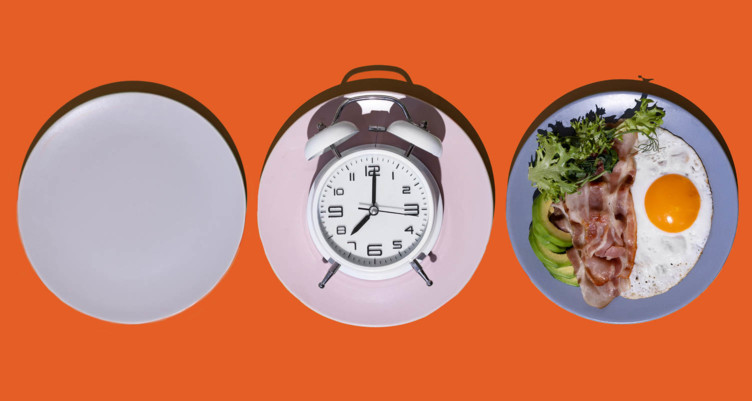
- Intermittent fasting is considered safe for most healthy adults and may support weight loss, improved insulin sensitivity, reduced inflammation and cellular repair through autophagy.
- Sustained energy without the hunger. Bulletproof Intermittent Fasting uses quality fats, specifically Brain Octane C8 MCT oil, to help suppress hunger and maintain energy during fasting windows.
- IF is not recommended for pregnant women, people with a history of disordered eating, adults over 65 or anyone with diabetes without medical supervision.
So, is intermittent fasting healthy or is it just another diet trend? One day the headlines call it a breakthrough for weight loss and longevity. The next, a study says it’s no better than simply eating less.
The short answer: for most healthy adults, the research says yes. Hundreds of animal studies and scores of human clinical trials have shown intermittent fasting can lead to improvements in health conditions including obesity, diabetes, cardiovascular disease and neurological disorders, according to a comprehensive review published in the New England Journal of Medicine.[1] But the details matter. How you fast, what you consume during your fasting window and whether you’re setting yourself up for sustained energy or mid-afternoon brain fog all shape your results.
This guide consolidates the science, addresses the real concerns and gives you a step-by-step plan to start, including the Bulletproof fasting approach that uses quality fats to keep you fueled while your body stays in a fat-burning state.
What Is Intermittent Fasting?
Intermittent fasting (IF) is an eating approach that alternates between periods of eating and periods of fasting. Unlike traditional diets that focus on what you eat, IF is more focused on when you eat. You’re not cutting out specific food groups or counting every calorie. You’re compressing your eating into a defined window and giving your body extended time to rest, repair and burn stored energy.
The core mechanism behind IF is something researchers call the “metabolic switch.” When you eat, your blood glucose rises and your pancreas releases insulin. Hormones like cholecystokinin (CCK) and leptin signal fullness, but if a meal is carb-heavy, those satiety signals are delayed, which can lead to overeating. Over time, frequent insulin spikes can contribute to weight gain and insulin resistance.
When you fast, the opposite happens. After roughly 10-12 hours without food, glucose stores deplete. Your body shifts to burning fatty acids and producing ketone bodies for fuel, a state that supports fat loss, mental clarity and cellular repair.[2] Your insulin drops, your body accesses stored fat more efficiently and your cells shift energy from digestion toward repair and detoxification.
Popular Intermittent Fasting Schedules
There’s no single intermittent fasting schedule that works for everyone. Here are the most common protocols:
- 16:8 (time-restricted eating). Fast for 16 hours, eat within an 8-hour window. Most people skip breakfast and eat between noon and 8 p.m. This is the most studied and beginner-friendly approach.
- 12-hour fast. Split your day into equal 12-hour shifts for eating and fasting. Since roughly two-thirds of the fasting period happens while you sleep, this is a gentle entry point for beginners.
- 5:2 diet. Eat normally 5 days per week. On 2 non-consecutive days, restrict calories to about 500-600 (roughly 25% of normal intake).
- Alternate-day fasting (ADF). Fast every other day, or consume about 25% of daily calories on fasting days and eat normally on non-fasting days.
- Eat-stop-eat. Fast for a full 24-hour period on one or two non-consecutive days per week. Eat normally on the other days.
- Warrior Diet. Fast for 20 hours and eat one large meal in the evening. Small amounts of fruits, vegetables and broth are allowed during fasting hours.
- Meal skipping. The most flexible approach. Simply skip whichever meals don’t fit your day. No rigid schedule, just a shorter eating window when it works for you.
- OMAD (one meal a day). Fast for approximately 23 hours and consume all daily calories within a 1-hour window. This is the most restrictive form and isn’t recommended for most people.
For beginners, the 16:8 method is the most practical starting point. You can learn more about how this fits into a broader nutrition plan in the keto diet for beginners guide.

Is Intermittent Fasting Healthy? What the Science Says
The evidence is substantial and growing. But like most things in nutrition science, it comes with nuance.
More Diet Tips From Bulletproof


Proven Benefits of Intermittent Fasting
Research across hundreds of studies supports several key benefits:
- Weight management. IF spanning 4-24 weeks produces body weight reductions of 4% to 10% in overweight individuals, according to a 2022 narrative review published in the journal Nutrients.[3] Alternate-day fasting shows greater weight loss (approximately 0.75 kg per week) compared to the 5:2 diet (approximately 0.25 kg per week).
- Improved insulin sensitivity. Multiple studies show IF decreases insulin concentration and insulin resistance markers. In people with type 2 diabetes, IF has been shown to reduce plasma concentrations of glucose and insulin while elevating adiponectin levels.[4]
- Cardiovascular health. IF improves lipid profiles by reducing total cholesterol, LDL and triglycerides while supporting healthier blood pressure levels.[5]
- Reduced inflammation. IF reduces proinflammatory cytokines including IL-6, TNF-alpha and C-reactive protein, markers linked to chronic disease.[6]
- Mood and mental health. Research suggests IF may reduce symptoms of anxiety and depression through its effects on inflammation and brain-derived neurotrophic factor (BDNF). Participants in several studies reported improved mood, mental clarity and emotional regulation during fasting protocols.[7]
- HGH and cellular repair. Fasting increases peak human growth hormone (HGH) concentrations, supporting cell regeneration and growth. It also triggers autophagy, your body’s process for clearing out damaged cell components so your cells work better. More on autophagy below.
- Gene expression. Early time-restricted feeding has been shown to increase expression of sirt1 (a gene linked to healthy aging) and LC3A (an autophagy gene), suggesting IF may influence how your body ages at a molecular level.
- Potential longevity benefits. Animal models consistently show IF extends lifespan. Human data is still emerging but points in the same direction.[8]
A comprehensive 2024 review put it plainly: “No single pharmaceutical medication can provide such a wide spectrum of benefits on metabolic health as IF.”[9]
What The Latest Research Shows
The science isn’t all one-directional. Important recent findings add nuance:
- 2026 Cochrane analysis (22 trials, 1,995 participants): Intermittent fasting produced nearly identical weight loss and quality-of-life outcomes compared to conventional calorie-restricted dieting.[10][11] The takeaway: IF isn’t magic. It’s one effective path among several.
- 2025 calorie balance study: Time-restricted eating showed no measurable improvements in metabolic or cardiovascular health when calorie intake remained unchanged.[12] This means the what and how much you eat still matter alongside when you eat.
Both findings reinforce that intermittent fasting works best as part of a broader approach to nutrition, not as a standalone fix.
Potential Risks and Side Effects
IF isn’t risk-free. Common side effects include:
- Hunger and cravings, especially during the first 1-2 weeks as your body adapts.
- Fatigue, headaches and irritability, often related to dehydration or electrolyte imbalances.
- Digestive changes such as constipation or bloating when breaking a fast, particularly with large meals.
- Hormonal disruption in women. IF can affect menstrual cycles, cause anxiety and disrupt hormone balance (see the women’s section below).
- Risk for certain populations. IF is not recommended for pregnant or breastfeeding women, adults over 65, children and teenagers, people with a history of disordered eating or anyone with diabetes, heart disease, kidney disease or liver disease without medical supervision.
Before making any changes to your diet or exercise routine, including adopting an intermittent fasting routine, consult with a qualified healthcare professional.
Intermittent Fasting for Weight Loss
One of the most common reasons people try intermittent fasting is weight loss. The research supports the approach, though individual results depend on the specific protocol, what you eat during your eating window and your overall calorie balance.
Key findings from the research:
- IF spanning 4-24 weeks produces body weight reductions of 4% to 10% in overweight individuals, according to a 2022 narrative review in Nutrients.[13]
- During a period of 6 months, people on an intermittent fasting diet were able to shed 4 to 7 percent of their visceral fat, the deep abdominal fat linked to metabolic disease.[14]
- A review on intermittent fasting programs determined that both alternate-day fasting and whole-day fasting trials were effective at reducing body weight, body fat and total triglycerides.[15]
How Intermittent Fasting Promotes Fat Loss
IF supports weight loss through multiple mechanisms:
- Caloric restriction. When you compress your eating into a shorter window, most people naturally consume fewer calories.
- The metabolic switch. After depleting glucose stores during the fasting period, your body shifts to burning dietary fat and body fat for fuel, entering a state of ketosis.
- Insulin and leptin regulation. In human studies, intermittent fasting has been shown to help prevent both insulin resistance and leptin resistance, two hormonal dysfunctions that drive weight gain and make fat loss harder over time.[16] Lower insulin levels during fasting allow your body to access stored fat more efficiently, while improved leptin sensitivity helps your brain accurately register how much energy you have stored, reducing the overeating signals that sabotage diets.
- Preservation of metabolic rate. Unlike prolonged caloric restriction, IF may help preserve lean muscle mass and metabolic rate when combined with adequate protein intake and resistance training.[17]
However, some participants in studies experienced reductions in lean body mass. Pairing IF with protein-rich meals and resistance training is recommended to protect muscle during weight loss.[18]
Autophagy Fasting Benefits: Your Body’s Cellular Cleanup
Autophagy is one of the most compelling reasons to fast, and one of the most misunderstood. The term literally means “self-eating,” and it describes your body’s built-in process for breaking down and recycling damaged or dysfunctional cell components.
Think of it as your body’s internal maintenance crew. When you fast, autophagy ramps up because your cells shift from growth mode to cleanup mode.
How Fasting Triggers Autophagy
When you haven’t eaten for an extended period, several molecular pathways activate:
- mTOR pathway inhibition. mTOR (mechanistic target of rapamycin) is a growth-signaling pathway. When nutrients are scarce, mTOR activity decreases, signaling cells to start recycling old components instead of building new ones.
- AMPK activation. AMPK (AMP-activated protein kinase) is an energy-sensing enzyme that ramps up during fasting. It triggers autophagy and promotes the breakdown of stored fat for energy.
A 2024 study on gene expression found that intermittent fasting significantly increased autophagy-related genes: LAMP2 expression rose approximately 4.2-fold, LC3B increased roughly 1.9-fold and ATG5 rose about 1.4-fold in participants with overweight or obesity.[19]
What Autophagy Fasting Benefits Mean for Your Health
The downstream effects of enhanced autophagy may include:
- Slowed aging. Autophagy helps clear cellular debris that accumulates with age. Animal models show extended lifespan with enhanced autophagy.[20]
- Reduced cancer risk. By inhibiting the mTOR pathway and activating AMPK, IF-induced autophagy may limit cancer cell proliferation and enhance the effectiveness of certain treatments.[21]
- Neuroprotection. Research suggests autophagy can help cleanse neurons of harmful protein aggregates associated with Alzheimer’s and Parkinson’s disease.[22]
- Reduced inflammation. Autophagy is linked to lower levels of inflammatory markers, supporting overall immune health.
Understanding how MCT oil benefits your body during fasting adds another layer. C8 MCTs convert to ketones rapidly, providing brain fuel even as autophagy ramps up.
Intermittent Fasting for Women
Women need to approach intermittent fasting differently than men. Hormonal differences mean that aggressive fasting protocols can sometimes backfire.
What the research shows: Typical intermittent fasting can sometimes cause problems for women, including sleeplessness, anxiety, hormone imbalance and irregular periods. These effects are often related to the stress that extended fasting places on the hypothalamic-pituitary-gonadal (HPG) axis, the hormonal system that regulates reproductive function.
Practical recommendations for women:
- Start gradually. Begin with a 12-hour overnight fast before moving to 14:10 or 16:8.
- Don’t fast every day at first. Start with 3-5 fasting days per week and build from there.
- Monitor your cycle. If you notice changes in your period, energy levels or mood, scale back the fasting duration or frequency.
- Prioritize nutrition. During your eating window, focus on nutrient-dense foods, especially adequate protein, healthy fats and iron-rich foods.
- Consider the Bulletproof approach. Fat fasting with Bulletproof Coffee can be particularly helpful for women because it provides sustained energy without the cortisol spike that strict fasting can trigger.
If you’re experiencing negative symptoms such as disrupted cycles, increased anxiety or difficulty sleeping, cut down your fasting to once or twice a week and build up from there. Always consult with a qualified healthcare professional about whether intermittent fasting is appropriate for your situation.
How to Start Intermittent Fasting: A Beginner’s Guide
Ready to try it? Here’s a practical, step-by-step approach.
Choosing Your Intermittent Fasting Schedule
For most beginners, the 16:8 method is the simplest entry point:
- Stop eating after dinner (around 7-8 p.m.).
- Skip breakfast the next morning.
- Break your fast at noon with a balanced meal.
- Eat normally between noon and 8 p.m.
That’s it. You’re fasting for 16 hours (most of them while sleeping) and eating within an 8-hour window. If 16 hours feels too long at first, start with 12 hours and add 30-60 minutes each week until you reach your target.
What to Eat During Your Eating Window
The quality of what you eat during your eating window matters as much as the timing. Focus on:
- Protein. Chicken, fish, eggs, legumes and grass-fed collagen. Adequate protein protects muscle mass during weight loss.
- Healthy fats. Avocado, olive oil, nuts, seeds and MCT oil. Quality fats support satiety and ketone production.
- Complex carbohydrates. Whole grains, sweet potatoes and vegetables. The Bulletproof approach recommends limiting starch to one serving per day to keep your body primed for ketosis during your next fast.
- Fiber-rich vegetables. Supporting gut health during intermittent fasting helps prevent the digestive issues many people experience.
Avoid processed foods, added sugars and fried items. Filling up on nutrient-poor foods during your eating window undermines the metabolic benefits you’re working toward.
What to Drink During Your Fasting Window

During your fasting hours, stick to zero-calorie beverages:
- Water: still or sparkling. Stay well hydrated.
- Black coffee: quality coffee may actually enhance fasting benefits by supporting fat oxidation and appetite suppression.
- Unsweetened tea: green tea, herbal tea and black tea are all fine.
- No milk, cream, sugar, artificial sweeteners, juice, alcohol or smoothies.
Why People Stop Intermittent Fasting (And How to Fix It)
Getting “hangry” mid-morning is not what you need, especially if you have a job and you need to get stuff done. The most common reasons people quit IF have nothing to do with the science. They’re practical: unbearable morning hunger, energy crashes before lunch and brain fog that tanks productivity. A 2022 review found that adherence, not the protocol itself, is the primary predictor of IF success.[23]
The fix isn’t to push harder through discomfort. It’s to change what you consume during the fasting window so your body has fuel without an insulin spike. There’s a solution for that.
The Bulletproof Approach: Fat Fasting for Better Results
If strict fasting leaves you feeling drained, irritable or unfocused, the Bulletproof approach offers a practical middle ground:
- Replace breakfast with Bulletproof Coffee. Blend your morning coffee with grass-fed butter and Brain Octane C8 MCT oil. Brain Octane creates ketones that suppress ghrelin (the hunger hormone) and increase CCK (the fullness hormone), keeping blood ketones around 0.5-0.7 mmol/L, which is the threshold for appetite suppression. The high dose of quality fats keeps you full for hours without an insulin spike.
- Limit carbohydrates. Eating fewer carbs means your body depletes glucose stores faster, shifting into ketosis sooner during your next fast.
- Personalize your schedule. There’s no one-size-fits-all protocol. Experiment with different eating windows to find what works for your body, your energy levels and your lifestyle.
- Be patient with adaptation. The first 1-2 weeks are the hardest. Hunger, headaches and fatigue are normal and typically resolve as your body adapts to using fat for fuel.
New to Bulletproof? The Bulletproof Starter Kit includes everything you need to get started: ground coffee and Brain Octane C8 MCT oil.
Does Bulletproof Coffee Break a Fast?
This is one of the most-asked questions in the fasting community, and the answer depends on your goals.
The technical answer: Yes. Bulletproof Coffee contains approximately 200-500 calories, almost entirely from fat. Any caloric intake technically breaks a complete fast.
The practical answer: It depends on what you’re fasting for.
For weight loss and ketosis: Fat has minimal impact on insulin levels. Because Bulletproof Coffee doesn’t cause an insulin spike, your body can remain in a fat-burning state. Many people find that the sustained energy from quality fats helps them fast longer and more consistently, which may lead to better overall results than struggling through a strict water-only fast and breaking early.
For autophagy: If maximizing cellular cleanup is your primary goal, any caloric intake, including fat, can reduce autophagy signaling. For strict autophagy benefits, water or black coffee is the way to go.
The Bulletproof approach: Bulletproof, credited with creating three billion-dollar product categories (MCT oil, collagen protein and functional coffee), developed Bulletproof Intermittent Fasting as a type of fat fasting. It replaces breakfast with a cup of Bulletproof Coffee. Rainforest Alliance certified coffee is blended with grass-fed butter and Brain Octane C8 MCT oil. Clean energy without the crash: Brain Octane is pure C8 (caprylic acid) MCT oil, the one MCT that converts to ketones fastest, providing rapid brain fuel during your fasting window. It’s rigorously tested and third-party verified for purity and efficacy. With over 500 million cups sold, it’s the fasting approach that works.
This approach directly addresses the number-one reason people quit intermittent fasting: hunger. Instead of white-knuckling through the morning with nothing but willpower, you get clean energy, mental clarity and appetite suppression, without the insulin spike that would shut down fat burning.
Find the Fasting Approach That Fits Your Life
Is intermittent fasting healthy? For most adults, the science points to yes, with the right approach. IF may support weight loss, metabolic health, reduced inflammation and cellular repair through autophagy. But it’s not a standalone solution and it’s not for everyone.
The key is finding a protocol that you can sustain. For many people, the Bulletproof Intermittent Fasting approach, using quality fats to suppress hunger and maintain energy, makes the difference between giving up after a week and building a lasting habit.
Start simple. Try Bulletproof Coffee tomorrow morning instead of breakfast. Rainforest Alliance certified beans, rigorously tested for mold toxins, blended with Brain Octane C8 MCT oil for sustained energy. See how you feel at lunch. That’s the beginning of a fasting practice that’s actually sustainable.
Frequently Asked Questions
Is intermittent fasting safe and what does the science actually say?
Research from the New England Journal of Medicine, Harvard and multiple meta-analyses confirms intermittent fasting is considered safe for most healthy adults. Studies show IF may support weight loss, improved insulin sensitivity, reduced inflammation and cellular repair through autophagy. However, long-term human data spanning multiple years is still limited. IF is not recommended for pregnant women, people with a history of disordered eating, those over 65 or people with diabetes without medical supervision. Always consult with a healthcare professional before starting any fasting protocol.
Does Bulletproof Coffee break a fast?
Technically, yes. Bulletproof Coffee contains calories from fat. However, because fat has minimal impact on insulin levels, many practitioners use it for sustained energy and appetite suppression while still achieving weight loss and ketosis benefits. Brain Octane C8 MCT oil converts to ketones rapidly, providing brain fuel without an insulin spike. If your primary goal is maximizing autophagy, stick to water or black coffee during your fasting window.
What are the long-term health benefits of intermittent fasting?
Studies show intermittent fasting may support weight management, improved cardiovascular health (reduced LDL cholesterol, triglycerides and blood pressure), better blood sugar control, reduced systemic inflammation, enhanced autophagy for cellular repair and potentially increased longevity. A 2024 review in Nutrients found that IF reduces proinflammatory cytokines and improves metabolic markers across multiple studies.
What should I eat or drink during an intermittent fasting window?
During fasting windows, stick to zero-calorie beverages: water, black coffee, unsweetened tea and sparkling water. During eating windows, prioritize lean proteins, healthy fats (avocado, olive oil, nuts, MCT oil), complex carbohydrates and fiber-rich vegetables. Avoid processed foods, added sugars and fried items to maximize the benefits of your fasting protocol.
What is the best way to start intermittent fasting for beginners?
Start with a 12-hour overnight fast and gradually extend to the 16:8 method (16 hours fasting, 8 hours eating). Most beginners eat between noon and 8 p.m. The Bulletproof approach recommends replacing breakfast with Bulletproof Coffee, coffee blended with grass-fed butter and Brain Octane C8 MCT oil, to maintain energy and reduce hunger during your fasting window. Build up slowly and listen to your body.
What is the downside of intermittent fasting?
Common side effects include hunger and cravings (especially the first 1-2 weeks), fatigue, headaches, irritability and digestive changes like constipation or bloating. For women, IF can disrupt menstrual cycles, increase anxiety and affect hormone balance. IF is not appropriate for people with eating disorders, pregnant or breastfeeding women, those over 65 or people taking certain medications. If you experience persistent negative effects, reduce your fasting duration or frequency and consult a healthcare provider.
Is it healthy to intermittent fast every day?
Daily 16:8 fasting is the most studied and widely practiced protocol. Research suggests it is safe for most healthy adults when combined with nutrient-dense eating during the eating window. Women may benefit from a modified approach such as 14:10 or fasting only 3-5 days per week to support hormonal balance. Consult a healthcare provider before committing to a daily fasting routine, especially if you have any underlying health conditions.
Sign-up for the Bulletproof mailing list and receive the latest news and updates!
This is an updated version of an article originally published December 2019.