
Keto Food List: What to Eat, What to Avoid and How to Start
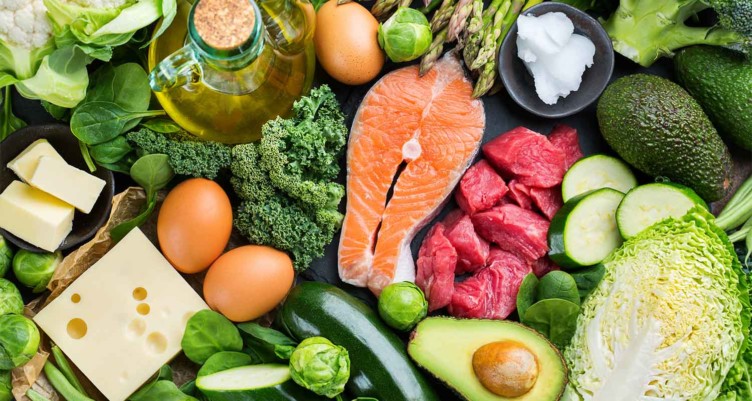
- The cleanest keto food list is built on grass-fed and pasture-raised protein, low-carb vegetables, low-glycemic fruits like avocado and berries, quality fats including C8 MCT oil and full-fat dairy when tolerated.
- The biggest foods to avoid on keto are grains, sugar, processed seed oils, low-fat dairy and most legumes. Anything that spikes blood sugar can stall ketosis.
- Full-fat grass-fed dairy is keto-friendly for most people; skip low-fat and processed dairy because the lactose climbs as the fat drops.
- A beginner keto day hits roughly 75% of calories from fat, 20% from protein and 5% from net carbs (around 20 grams of net carbs per day for the first two weeks).
“What can I actually eat?” That’s the most-asked question on keto forums, and honestly, it’s a fair one. Every keto food list looks a little different, every “approved” label means something different, and standing in the grocery store reading 12 lines of fine print on a bag of pre-shredded cheese is nobody’s idea of a wellness moment.
Here’s a straightforward answer. This is a complete keto food list: the foods you can eat freely, the ones to enjoy in moderation and the ones to skip. Then we’ll layer in a beginner playbook with macros, how to build a balanced keto meal and the hidden-carb traps that send most beginners back to step one.
At Bulletproof, we’ve spent over a decade building the products that go on this list: Brain Octane C8 MCT oil, grass-fed Collagen Peptides, rigorously tested coffee. That work is why we grade keto food by sourcing quality, not just by carb count. Clean keto comes down to better fats, better protein and better produce — knowing exactly which ones earn the spot.
What Is the Keto Diet?
The ketogenic diet shifts your body’s fuel source from glucose to ketones. When carbs drop low enough, the liver converts fat into ketone bodies which your brain and muscles can burn for energy. That metabolic state is called ketosis.
The standard ketogenic diet lands somewhere around 70-75% of daily calories from fat, 20-25% from protein and 5-10% from net carbs.[1] The practical entry threshold for most people is about 20 grams of net carbs per day, which is why the food list matters more than any macro calculator when you’re starting out. Eat from the right list and the macros mostly take care of themselves.
How the Food List Is Tiered
Every category has three tiers:
- Best: foods to enjoy freely. Highest quality, cleanest sourcing.
- In moderation: still keto-friendly, but quality is lower or carb count creeps up.
- Avoid: foods that derail keto or come with sourcing red flags.
Why People Try Keto: What the Research Shows
Weight is the most common entry point, but the science stretches wider than the scale. Research suggests a ketogenic pattern may support glycemic control and weight reduction in type 2 diabetes.[2] The therapeutic use is most established in epilepsy. Keto was originally developed in the 1920s as a seizure protocol and is still used today, especially in pediatric drug-resistant cases.[3] Reviews also point to potential benefits for cognitive function and Alzheimer’s-related decline, where ketones provide an alternative fuel source for a brain that’s struggling to metabolize glucose.[4] There’s also emerging evidence that keto may reduce hepatic fat and insulin resistance markers in non-alcoholic fatty liver disease.[5] None of this means keto cures anything. It does mean the food list below has a lot more upside than a number on a scale.
Keto Fats and Oils List
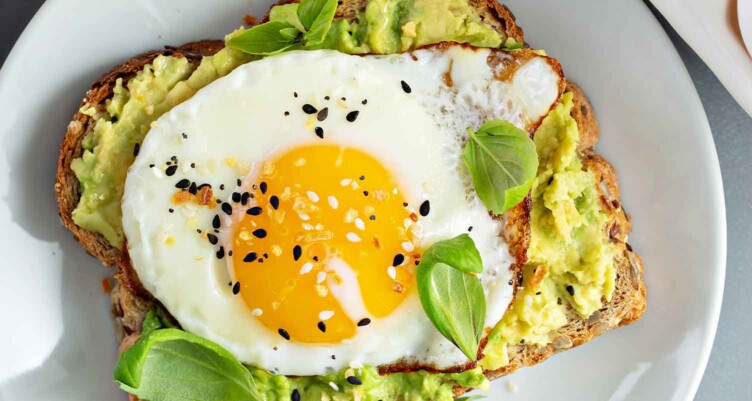
Fat is the engine of keto. Get this category right and everything else flows more easily.
Best (eat freely):
- Avocado oil
- C8 MCT oil (this is what Brain Octane C8 MCT Oil is)
- Grass-fed butter
- Grass-fed ghee
- Marrow and tallow from pasture-raised beef
- Cacao butter
- Coconut oil
- Cod liver oil
- Bacon fat and lard from pasture-raised pork
In moderation:
- Duck fat and goose fat
- Grain-fed butter or ghee
- Nut oils
- Cold-pressed non-GMO seed oils
Avoid:
- Shortening
- GMO seed oils (soybean, corn, canola)
- Commercial lard
- Low-carb commercial salad dressings
- Margarine
Why C8 MCT Earns Its Own Callout
Not all MCT oil is created equal. Standard MCT oil blends C8 (caprylic acid) with C10 (capric acid) and sometimes longer-chain fatty acids. The ketogenic effect of C8 is roughly twice that of C10, which is why we built Brain Octane around pure C8 instead of selling another mixed blend.[6] In a 2023 single-center study in healthy adults, blood BHB rose from a baseline median of 73.8 µmol/L to 524.6 µmol/L within 300 minutes of an MCT dose.[7] That’s the kind of fast, predictable ketone response that makes C8 a reliable tool for staying in ketosis on a busy morning. For more, see our deeper dive on MCT oil benefits.
Keto Protein List
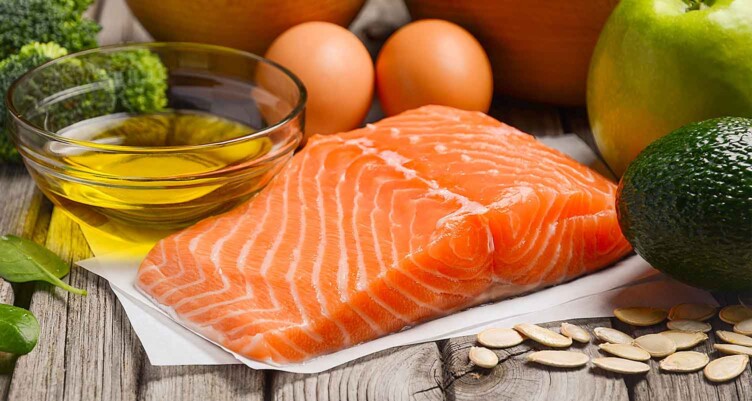
Sourcing quality shows up here more than carb count.
Best (eat freely):
- Grass-fed beef, goat and lamb
- Wild game (bison, venison, elk)
- Pasture-raised eggs
- Grass-fed whey protein concentrate or isolate
- Collagen Peptides from grass-fed and pasture-raised sources
- Collagelatin (gelatin/collagen blend)
In moderation:
- Pastured poultry (chicken, turkey, duck, goose)
- Pastured pork
- Factory-farmed eggs
- Factory-farmed meat
- Conventional clean whey protein
Avoid:
- Wheat protein
- Processed cheese
- Pasteurized dairy products marketed as protein sources
- Soy protein
Fish and Seafood
Fatty fish hits the macros and the omega-3s at the same time. Leaning toward lower-mercury options is a good habit.
Best options: mackerel, salmon, sardines, anchovies, halibut, trout, summer flounder, cod, tuna and herring.
Where’s the Beef on Your Keto Food List?
Grass-fed beef is a standout protein for keto because the macro profile of fattier cuts lines up cleanly with the diet. Ribeye, chuck roast, ground 80/20 and brisket are popular choices. Fattier cuts are worth prioritizing because too much lean protein can nudge the body into gluconeogenesis (the liver converting excess protein into glucose), which can quietly stall ketosis.
Keto Vegetables List
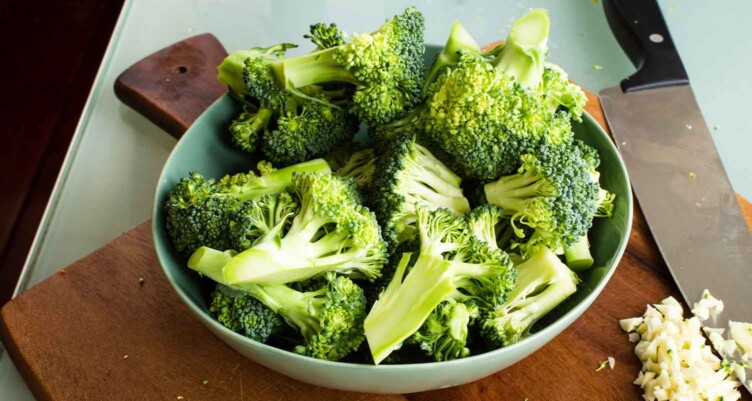
Vegetables are where the “limit” mistake hits hardest. Root vegetables and nightshades earn the moderation tier.
Best (eat freely):
- Asparagus
- Dark leafy greens (arugula, watercress, spinach, kale)
- Bok choy
- Broccoli
- Brussels sprouts
- Cauliflower
- Cabbage
- Celery
- Collards
- Cucumbers
- Endive
- Kohlrabi
- Lettuce
- Nori
- Olives
- Radish
- Squash (zucchini, summer squash)
- Zucchini
In moderation:
- Celery root
- Eggplant
- Jicama
- Okra
- Peppers
- Mushrooms
- Rhubarb
- Peas
- Tomatoes
- Shallots
- Beets
Avoid:
- Corn
- White potatoes
- Canned vegetables (usually loaded with hidden sugar or starches)
- Soy and edamame
Keto Fruit List
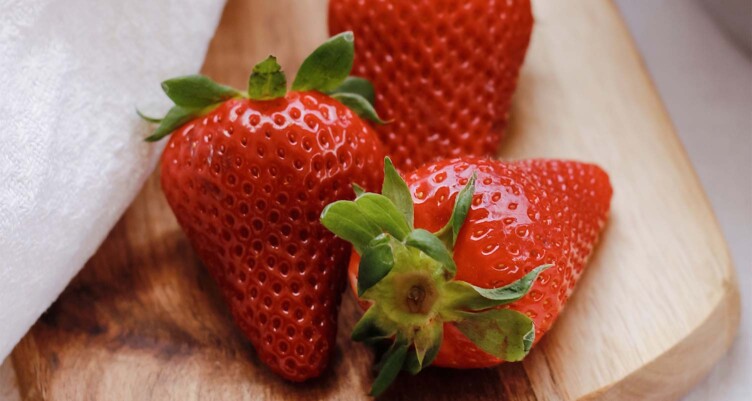
Most fruit is too high in fructose for keto. A handful of low-glycemic options earn the “best” tier.
Best options:
- Avocado
- Raspberries
- Blackberries
- Coconut
- Lemons
- Limes
- Strawberries
- Blueberries (small portion)
In moderation:
- Cherries
- Tangerines
- Peaches
- Pears
- Pineapple
- Pomegranate
- Honeydew and other melons
- Plums
- Tomato
- Tomatillos
- Grapes
- Papaya
- Kiwifruit
- Lychee
- Bananas
- Mangos
Avoid:
- Cantaloupe
- Dates
- Dried fruit
- Fruit leather
- Jams and jellies
- Canned fruit
Keto Legumes, Nuts and Seeds List
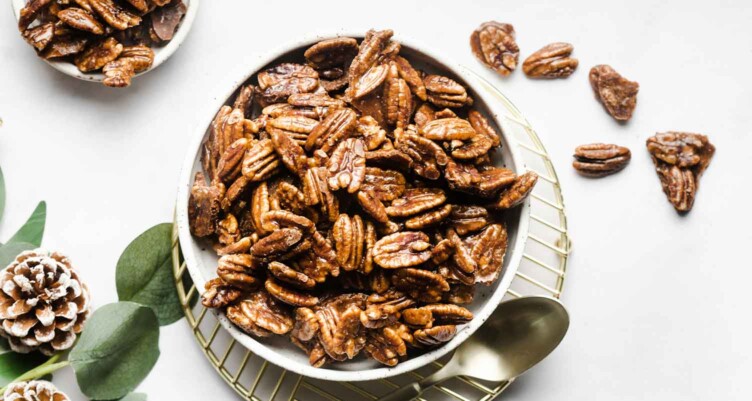
Most legumes are off the list; nuts and seeds are mostly on it but easy to overconsume.
Best:
- Coconut and coconut flour
- Raw pistachios (small portion)
In moderation:
- Almonds
- Cashews
- Chestnuts
- Hazelnuts
- Macadamia nuts and macadamia flour (lowest carb of the group)
- Pecans
- Walnuts
- Nut butters and nut flours (read labels, no added sugar)
- Seeds (chia, flaxseed, pumpkin, sesame)
Avoid:
- Most beans (kidney, black, pinto, navy)
- Lentils
- Soy in all forms
- Peanuts and peanut butter (technically a legume)
- Soy nuts and soy flour
- Corn nuts
A handful of cashews is closer to a meal than a snack carb-wise. Weighing portions for the first month, then loosening up, is a common approach.
Keto Dairy List
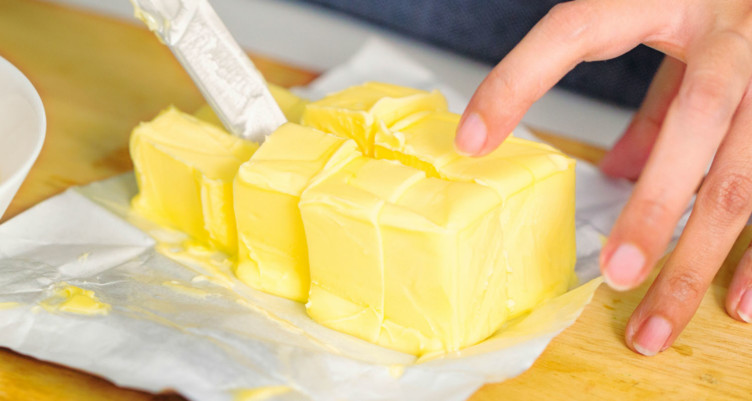
The short version: yes, with sourcing rules. Grass-fed and full-fat are the headers.
Best options:
- Grass-fed ghee
- Grass-fed butter
- Colostrum from grass-fed cows
- Organic grass-fed full-fat A2 milk and yogurt
In moderation:
- Full-fat cottage cheese
- Heavy cream
- Kefir
- Grain-fed butter or ghee
- Whole milk and cream
- Greek yogurt (full-fat, plain)
- Whole-milk ricotta
- Grain-fed cheeses
- Sour cream
Avoid:
- Processed cheese products
- Low-fat dairy
- Conventional powdered milk
- Margarine
- Condensed and sweetened condensed milk
- Conventional ice cream
Grass-fed dairy delivers higher conjugated linoleic acid (CLA) and omega-3 content than grain-fed counterparts.[8] Read every label, especially on cheeses: pre-shredded cheese contains added starches to prevent clumping, which can push you over the carb line. Cream cheese is keto-friendly when it’s organic and carrageenan-free. Heavy cream is fine; reduced-fat milk and half-and-half are not (the lactose ratio climbs as the fat drops).
What to Do if Dairy Doesn’t Work for You
Dairy isn’t essential to keto. If it gives you digestive trouble, sub in coconut milk and coconut cream or go fully dairy-free. The macros still work fine without it.
Keto Beverage List

Best options:
- Bone broth
- Coffee, including the Bulletproof Coffee recipe with grass-fed butter and Brain Octane C8 MCT oil
- High-quality unsweetened tea
- Mineral water and sparkling water
- Grass-fed A2 milk
- Coconut milk (unsweetened)
In moderation:
- Processed unsweetened iced tea
- Coconut water
- Processed nut milks (read labels for added gums and sugars)
- Keto-friendly alcohols (clear liquors like vodka, dry wines)
- Fresh vegetable juice
Avoid:
- Beer
- Soy milk
- Drinks with artificial sweeteners
- Sweetened drinks (energy drinks, sports drinks, soda, fruit juice)
Black coffee is a great keto staple. Stir in a tablespoon of Brain Octane C8 MCT oil and a tablespoon of grass-fed butter and you’ve turned your coffee into a near-instant ketone bump that holds through lunch. We carry Bulletproof Coffee whole bean in three roasts.
Keto Spices, Seasonings and Condiments List
Best:
- Apple cider vinegar
- Cacao powder (unsweetened)
- Coconut aminos (soy sauce alternative)
- High-quality herbs and spices (black pepper, Ceylon cinnamon, cumin, ginger, oregano, thyme, turmeric)
- Cilantro and parsley
- Quality mayonnaise (avocado oil-based)
- Sea salt
- Vanilla bean
- Cloves
- Sage
- Onion and garlic (small amounts)
In moderation:
- Table salt
- Balsamic vinegar (low-sugar varieties only)
- Nutmeg
- Paprika
- Mustard and mustard seed
- Hot sauces with carbs or sugar
- Premade dressings and sauces
Avoid:
- Artificial flavors
- Artificial sweeteners
- MSG
- Packaged sauce and spice mixes with starches or sugars
- Soy products
More Diet Tips From Bulletproof


Keto Sweeteners List
The sweetener aisle is a minefield. Most “sugar-free” products contain artificial sweeteners or hidden carbs that derail ketosis.
Best:
- Xylitol (toxic to dogs, keep it away from pets)
- High-quality dark chocolate (90%+)
- D-ribose
- Monk fruit
- Stevia
In moderation:
- Maple syrup (small amounts, occasional)
- Non-GMO erythritol
- Raw honey (small amounts)
- Allulose
- Sorbitol
- Maltitol
Avoid:
- Acesulfame potassium (Ace-K)
- Aspartame (NutraSweet)
- Fructose
- High-fructose corn syrup
- Fruit juice concentrate
- Cooked honey
- Maltodextrin
- Sucralose (Splenda)
The Foods to Avoid List, Consolidated
Quick snapshot to screenshot before your next grocery run:
- Grains and refined carbs: bread, pasta, rice, oats, cereal, crackers, tortillas.
- Sugar in any form: white sugar, brown sugar, cane sugar, agave, corn syrup.
- Processed seed oils: soybean, corn, canola, sunflower, safflower, margarine.
- Low-fat dairy: skim milk, low-fat yogurt, fat-free cheese.
- Most legumes: beans, lentils, peanuts, soy, edamame.
- Sweetened beverages: soda, fruit juice, sports drinks, sweetened coffee drinks, beer.
- High-sugar fruits: bananas, mango, pineapple, grapes, dates, dried fruit.
- Artificial sweeteners: aspartame, sucralose, acesulfame potassium.
Keto for Beginners: The Playbook
You’ve got the food list. Here’s how to use it.
Stock the Kitchen First
Before you change a single meal, clear out what doesn’t belong and stock what does. Pull bread, cereal, pasta, sugar, sweetened condiments and low-fat dairy. Bring in eggs, grass-fed butter, ghee, avocado oil, MCT oil, fatty cuts of grass-fed beef, wild salmon, leafy greens, broccoli, cauliflower, avocados, berries, nuts and seeds plus full-fat plain yogurt if dairy works for you. Buy in bulk on the staples. Keto fails fastest when there’s nothing keto in the fridge at 7 PM on a Tuesday.
Keto Macros for Beginners
- Fat: ~75% of total daily calories.
- Protein: ~20% of total daily calories.
- Net carbs: ~5% of total daily calories (roughly 20 grams per day for the first two weeks).[9]
“Net carbs” means total carbs minus fiber minus sugar alcohols. Eating from the “best” tier of every category makes it easy to land in the right zone without obsessing over every gram. Two common beginner pitfalls: relying on too much lean protein (fattier cuts like ribeye tend to work better), and building plates that are low in fat (adding a drizzle of avocado oil or a pat of butter goes a long way).
How to Build a Keto Meal
The structure is what matters: fatty protein + low-carb vegetable + healthy fat at every meal, with snacks pulling from the same categories. Pick from the food list above and rotate so you’re not eating the same plate twice in one week. Explore our recipe collection for specific keto-friendly ideas.
Common Beginner Mistakes
Pretty much every keto beginner trips on one of these. Know them and you’ll skip the worst of week one.
- Not eating enough fat. “Low-carb” without enough fat is just calorie restriction.
- Hidden carbs. Pre-shredded cheese (added starch), low-fat dairy, sauces and sugar-free gum (maltitol can spike glucose) all hide carbs.
- Too much protein. Fattier cuts, less obsession with a giant gram target.
- Sweet tooth shortcuts. Daily “keto desserts” keep the sugar pathway active.
- Ignoring electrolytes and water. Keto lowers insulin, which dumps sodium and water. Replace them or you get keto flu.
Keto Flu, Quickly
The transition phase can bring fatigue, headaches and brain fog for a few days. The fix is staying on top of electrolytes — sodium, magnesium and potassium — plus plenty of water and quality fat when you’re crashing. Most beginners feel better when they add a pinch of sea salt to water, lean on magnesium-rich foods like leafy greens and avocados, and reach for a spoonful of MCT oil or a slice of avocado at the first sign of a slump. Bone broth covers most of the box at once.
Pair Keto with Intermittent Fasting (Optional)
Once you’re a couple of weeks in, you might layer in a 16:8 fasting window (eating noon to 8 PM). Bulletproof Coffee doesn’t break a fast in the strict carb-and-protein sense; the MCT oil and butter add calories but don’t trigger an insulin response. Our intermittent fasting guide walks through the full protocol.
The Bottom Line
Clean keto, dirty keto and “lazy keto” sit on a continuum. This list is built around clean keto because, in obesity, metabolic syndrome and type 2 diabetes, ketogenic diets are associated with clinically meaningful improvements in weight, triglycerides, insulin sensitivity, fasting glucose and diastolic blood pressure compared with low-fat diets.[10] Most of those gains come faster and last longer when sourcing is clean.
A few rules of thumb:
- Grass-fed and pasture-raised when the budget allows; conventional when it doesn’t.
- Read every label.
- Whole foods beat keto-branded products every time.
- If something on the “best” list doesn’t agree with you, drop it.
When you’re ready to lock in the basics, the Bulletproof Starter Kit bundles the three products that pair well with keto: ground coffee, Brain Octane C8 MCT Oil and Collagen Peptides.
Results may vary. Talk to your doctor before starting keto if you take medication or have a preexisting condition.
Frequently Asked Questions
What foods can I eat on a keto diet?
On a keto diet you eat fatty cuts of grass-fed and pasture-raised meat, fatty fish like salmon and sardines, pasture-raised eggs, low-carb vegetables (leafy greens, broccoli, cauliflower, zucchini, asparagus), low-glycemic fruits (avocado, berries, lemons), nuts and seeds (macadamia, pecans, chia, flax), quality fats and oils (avocado oil, coconut oil, grass-fed butter and ghee, C8 MCT oil) and full-fat dairy when tolerated. The category lists above break each one down by tier.
What foods should I completely avoid on a ketogenic diet?
Avoid grains and refined carbs (bread, pasta, rice, oats, corn), sugar in any form, processed seed oils (soybean, corn, canola, margarine), low-fat dairy, most legumes (beans, lentils, soy, peanuts), sweetened drinks (soda, juice, beer, sports drinks), high-sugar fruits (bananas, mango, dates, dried fruit) and artificial sweeteners like aspartame and sucralose. Any of these can spike blood sugar or stall ketosis.
Are dairy products allowed on the keto diet?
Yes, with quality caveats. Grass-fed ghee and butter, full-fat A2 organic milk and yogurt and grass-fed cheese are the best options. Heavy cream, full-fat Greek yogurt and grain-fed cheeses work in moderation. Avoid low-fat dairy (lactose climbs as fat drops), processed cheese products, sweetened condensed milk and conventional ice cream. If dairy doesn’t agree with you, swap in coconut milk or skip dairy entirely.
What does a typical keto meal plan look like for beginners?
A beginner keto day looks like Bulletproof Coffee or pasture-raised eggs with avocado at breakfast, a fatty protein like grass-fed beef or wild salmon over leafy greens at lunch, another fatty protein with low-carb vegetables roasted in butter or ghee at dinner and satiating snacks like olives, raw pistachios, hard-boiled eggs or 90% dark chocolate. Hit roughly 75% of calories from fat, 20% from protein and 5% from carbs. The structure is the same across every meal: fatty protein, low-carb vegetable, healthy fat.
Where can I find clean keto-friendly foods and supplements online?
Clean keto staples are available at shop.bulletproof.com, including Brain Octane C8 MCT Oil, grass-fed Collagen Peptides, Bulletproof Coffee whole bean and the Bulletproof Starter Kit. Bulletproof products are also available in over 10,000 retail stores nationwide, including Whole Foods, Sprouts, Target, Kroger and Publix. For produce and pantry items, Whole Foods, Sprouts and Thrive Market all carry strong clean-keto selections.
Sign-up for the Bulletproof mailing list and receive the latest news and updates!
This article has been updated with new content.