
Memory Supplements: What the Research Actually Supports (And What’s Marketing)
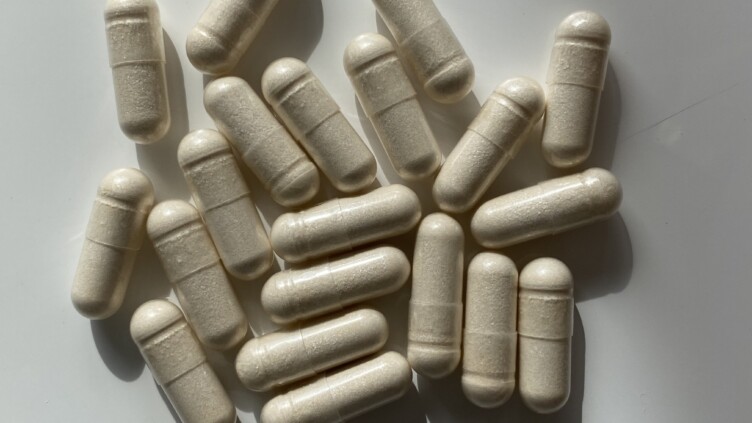
- Most memory supplements are mostly marketing. A short list does have meaningful research behind it: omega-3 (DHA), vitamin D, B12, magnesium L-threonate, bacopa monnieri, lion’s mane, citicoline, phosphatidylserine and creatine monohydrate.
- Diet, sleep and exercise are the highest-leverage levers for cognitive performance. Supplements are a supportive layer, not the foundation.
- Most evidence-backed memory supplements take 4-12 weeks of consistent use before noticeable results. There’s no overnight pill.
- If you’re worried about memory loss, that’s a conversation with your doctor first. Supplements aren’t a substitute for medical evaluation.
If you’ve ever stood in the supplement aisle staring at a row of bottles promising “sharper memory” and “mental clarity,” you already know the problem. Half the science publishers say memory supplements don’t work. Half the shelf says they do. Both are partly right.
Most products in the category are exactly what the skeptics describe: proprietary blends, weak research, lots of marketing. But a small set of supplements has genuinely interesting peer-reviewed work behind them, and they’re worth considering alongside the daily basics (sleep, diet, movement) that move the needle most for cognitive performance.
At Bulletproof, we’ve spent years formulating around clean energy, focus and mental performance, which means we’ve also spent years reading the studies on what actually shows up in well-designed trials versus what stays on the marketing page. Here’s what we’ve found, scoped to memory specifically. (For the broader picture on cognitive enhancement and nootropics generally, see our broader nootropics guide.)
The Honest Starting Point: Diet, Sleep and Movement
Before we get to the supplement list, the honest truth: no pill outperforms the three boring fundamentals.
Consistent sleep (7-9 hours, regular schedule) consolidates memory during slow-wave and REM phases. Aerobic exercise raises levels of BDNF (the protein your brain uses to build and connect neurons), which is why regular movement shows up consistently in memory research.[1] A diet rich in omega-3s, polyphenols, whole-food protein and stable blood sugar gives your brain the fuel it actually runs on.
If you’re already nailing all three, then yes — adding a research-backed supplement may provide an incremental edge. If you’re not, fix those first. They’re free, they have stronger evidence than any pill, and they make the supplements work better when you do add them.
9 Memory Supplements With Meaningful Research
These are the supplements we keep returning to when we read the literature on memory specifically (as opposed to general focus, energy or stress). Each one has at least one well-designed human trial showing benefit on memory or cognitive markers in healthy adults.
1. Omega-3 Fatty Acids (Specifically DHA)
DHA is one of the two main omega-3s your brain actually uses to build its own cells (the other is EPA). Studies in middle-aged and older adults have linked higher DHA intake to better memory performance and working memory scores.[2]
- What it may support: Memory, learning, age-related cognitive performance.
- Studied dose: 1-2g combined EPA + DHA daily, with at least 500mg DHA.
- Best source: Fatty fish (salmon, sardines, mackerel) 2-3 times per week. If fish isn’t realistic, a high-quality fish oil or algae oil supplement.
- Who it may help most: Adults who eat little fatty fish; people on plant-based diets (algae oil works for vegans).
2. Vitamin D
Your brain has vitamin D receptors all over it. People with low vitamin D tend to score worse on memory tests, and when deficient adults bring their levels up, cognitive markers often improve with them.[3] The catch: if you’re already in the optimal blood range (40-60 ng/mL), taking more doesn’t seem to help.
- What it may support: Memory, mood, immune function — when correcting deficiency.
- Studied dose: 1,000-4,000 IU daily, ideally guided by a blood test (25-hydroxyvitamin D).
- Best source: Sun exposure on bare skin (15-30 min), fatty fish, supplementation.
- Who it may help most: Adults in northern latitudes, indoor workers, anyone with confirmed low vitamin D.
3. Vitamin B12
B12 is one of the vitamins your nervous system can’t do without. When levels fall too low, memory and cognitive function take a real hit. Supplementing in people who are deficient consistently brings those markers back up.[4] Vegetarians and especially vegans are at high risk because B12 is found almost exclusively in animal foods.
- What it may support: Memory and cognition when correcting deficiency.
- Studied dose: 500-1,000 mcg daily for repletion; 100-250 mcg for maintenance.
- Best source: Animal foods (meat, fish, eggs, dairy); fortified foods; supplementation.
- Who it may help most: Vegetarians, vegans, adults over 50 (absorption declines with age), people on metformin or acid-blocking medications.
4. Magnesium L-Threonate
Magnesium L-threonate is a specific form of magnesium developed to reach the brain more efficiently than other magnesium forms. A small but well-designed clinical trial showed it may support working memory, attention and learning in adults over 12 weeks.[5]
- What it may support: Working memory, attention, age-related cognitive performance.
- Studied dose: 1,500-2,000 mg daily of magnesium L-threonate (delivers about 144 mg elemental magnesium plus the threonate carrier).
- Best source: This specific form, not standard magnesium oxide or citrate.
- Who it may help most: Adults under sustained mental load (work, study) who may also have suboptimal magnesium intake.
5. Bacopa Monnieri
Bacopa is an Ayurvedic herb with one of the most replicated supplement research bases for memory. Multiple randomized controlled trials have shown bacopa may support memory acquisition and recall in healthy adults when taken consistently for 8-12 weeks.[6]
- What it may support: Memory acquisition, recall, learning rate.
- Studied dose: 300 mg daily of standardized extract (50% bacosides).
- Best source: Standardized bacopa extract; the bacoside content matters.
- Who it may help most: Students, learners, adults wanting general memory support; not for short-term acute effect.
- Note: Mild GI side effects are common at the start. Take with food.
More Supplements From Bulletproof


6. Lion’s Mane Mushroom
Lion’s mane is a functional mushroom that supports nerve growth factor (NGF) production, with small clinical trials suggesting it may support cognitive performance and recall in adults over 8-16 weeks. Because we have a dedicated deep-dive article on this one, we’ll keep it short here.
- What it may support: Cognitive performance, focus, recall over weeks of consistent use.
- Studied dose: 500-1,000 mg standardized extract, 1-3x daily.
- Where to read more: Our full lion’s mane benefits guide covers mechanism, dosing and use cases in detail.
7. Citicoline (CDP-Choline)
Citicoline gives your body the raw material to make acetylcholine (the brain chemical most involved in memory) and also supports the building blocks for brain cell membranes. Several trials have shown citicoline supplementation may support memory and attention in healthy and aging adults.[7]
- What it may support: Memory, attention, focus.
- Studied dose: 250-500 mg daily.
- Best source: Citicoline or CDP-choline standalone supplements; sometimes paired with caffeine for focus.
- Who it may help most: Adults wanting acute memory and focus support; useful as a study or work aid.
8. Phosphatidylserine
Phosphatidylserine is one of the fatty compounds your brain cells are built from. Several clinical trials in older adults have shown it may support memory, executive function and learning.[8]
- What it may support: Memory and cognitive function in adults; particularly studied in older populations.
- Studied dose: 100-300 mg daily.
- Best source: Soy-derived or sunflower-derived phosphatidylserine.
- Who it may help most: Adults over 50 wanting cognitive maintenance support.
9. Creatine Monohydrate
Creatine is best known for muscle performance, but newer research (a 2024 review of 16 trials in adults) suggests it can also support memory and attention.[9] The thinking is straightforward: creatine gives brain cells an extra source of energy, most useful when your brain is working hard or running low (poor sleep, long focus sessions, aging).
- What it may support: Working memory, attention, age-related cognitive performance.
- Studied dose: 3-5 g daily of creatine monohydrate; some sleep-deprivation studies have used higher short-term doses (10-20 g for a few days).
- Best source: Creatine monohydrate — the most-studied and most-affordable form.
- Who it may help most: Adults under sustained mental load, vegetarians and vegans (who get less dietary creatine from animal foods) and older adults wanting cognitive maintenance support.
More Supplements From Bulletproof
What to Skip (Or at Least Be Skeptical About)
A few popular ingredients show up in marketing more than in evidence.
Anything promising “instant memory.” Memory supplements that work generally take 4-12 weeks of consistent use. Anything claiming overnight cognitive transformation is marketing.
How to Actually Use Memory Supplements
If you’re going to add one or two of these to your routine, here’s how to do it well.
Pick one. Try it for 8-12 weeks. Most of these supplements need time to reach steady-state effects. Stacking five new supplements at once also makes it impossible to tell which (if any) is doing anything.
Take them with food and a healthy fat. Vitamin D, omega-3s, and several others are fat-soluble or better absorbed with fat. Pair with breakfast or lunch that includes olive oil, avocado, eggs or Brain Octane C8 MCT oil for cleaner absorption.
Pair with the morning anchor. A consistent morning routine helps you remember to take them. The Bulletproof Coffee recipe gives you a daily anchor you can pair a supplement with.
Track changes simply. A short journal (energy 1-10, focus 1-10, recall on a specific task) over 8 weeks tells you more than your memory of how you felt three weeks ago.
Stop if nothing changes. If you’ve been consistent for 12 weeks and felt no difference, the supplement isn’t doing anything for you. Save the money and move on.
If You Want a Starter Stack
A reasonable starter stack for most healthy adults wanting memory and focus support: omega-3 (DHA) + vitamin D + magnesium L-threonate. Omega-3 covers the brain’s structural fatty acid needs and has the broadest evidence base. Vitamin D addresses a commonly low nutrient with cognitive links (worth a blood test first). Magnesium L-threonate adds working-memory support with a specific brain-targeted form. If you want one more, citicoline pairs well for acute focus on work or study days. Build the stack over 8-12 weeks rather than starting everything at once so you can tell what’s actually doing something.
How to Support Memory Through Cognitive Performance Products
You don’t need to buy a memory supplement to support brain health. The diet-sleep-movement foundation does most of the work. But a few products are designed to slot into the cognitive-performance side of the framework.
Brain Octane C8 MCT oil converts to ketones quickly, which the brain can use as an alternative fuel. Many people find their morning focus is steadier with C8 in coffee versus coffee alone. See our MCT oil benefits guide for the underlying mechanism and the research base.
Bulletproof Clarity + Focus is our cognitive support formula combining polyphenol antioxidants, L-tyrosine and other research-backed compounds for focus and mental performance. Pairs well with your morning coffee.
For a broader look at the cognitive-performance product line, browse our Brain Health collection: rigorously tested, third-party verified and built around the science we’ve covered above.
The Bottom Line
Memory supplements aren’t a shortcut, and they aren’t a scam either. They’re a layer of optimization on top of the real foundations: sleep, diet, movement. A short list (omega-3 DHA, vitamin D, B12, magnesium L-threonate, bacopa, lion’s mane, citicoline, phosphatidylserine and creatine monohydrate) has meaningful peer-reviewed research behind it for memory specifically. Pick one or two that fit your situation, take them consistently for 8-12 weeks, track the changes, and keep what works.
If you’re concerned about cognitive decline or memory loss that feels new or progressive, that’s a conversation with your doctor. Supplements aren’t a substitute for medical evaluation.
Frequently Asked Questions
What supplement is best for memory?
There isn’t one universal “best.” For most healthy adults, the supplements with the strongest memory-specific research are omega-3 DHA, magnesium L-threonate, bacopa monnieri and citicoline. The right starting point depends on what else is in your routine (do you eat fatty fish? do you take magnesium already?) and your goals (long-term memory support vs short-term focus). If you can only add one, omega-3 from fatty fish or supplementation has the broadest evidence base for adults across age groups.
Which vitamins help with brain fog and memory?
Vitamin B12 and vitamin D have the most consistent research for cognitive symptoms when someone is deficient. If you’re vegetarian or vegan, B12 is the highest priority because the deficiency rate is high. If you live in a northern climate or work indoors, vitamin D is worth checking with a blood test. A high-quality multivitamin can cover most micronutrient gaps; specific repletion (single B12 or vitamin D) addresses confirmed low levels more efficiently.
How long does it take to see results from memory supplements?
Most evidence-backed memory supplements need 4-12 weeks of consistent daily use before you’d expect noticeable effects. Some (like citicoline) may have more acute attention effects within hours; others (like bacopa) build over 8-12 weeks. If you’re using a supplement that promises instant results, that’s a marketing claim, not a research-backed expectation.
Are there side effects from memory supplements?
Most of the supplements in this article are well-tolerated at standard doses, but every supplement has some risk. Omega-3 at high doses can affect blood clotting (relevant if you take blood thinners). Bacopa commonly causes mild GI discomfort at the start. Magnesium can cause loose stools at high doses. If you take prescription medications, check with your doctor or pharmacist for interactions before adding anything new.
Should I take a memory supplement or focus on diet and sleep first?
Diet and sleep first, every time. Consistent 7-9 hour sleep, a diet with fatty fish, leafy greens and whole-food protein, and regular movement do more for cognitive performance than any pill in this article. Supplements are a layer of optimization on top of those foundations, not a replacement. If you’re already nailing the basics and want incremental support, then yes — pick one of the nine above and try it for 8-12 weeks.
Sign up for early access to sales, product launches, the latest Bulletproof news and more!