
Rhodiola Rosea Benefits: The Practical Guide to Adaptogenic Energy and Stress Support
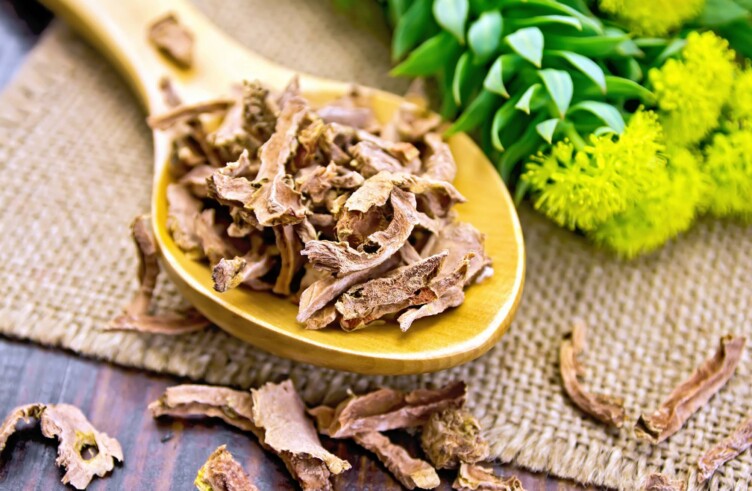
- Rhodiola rosea is an adaptogenic herb traditionally used in Scandinavia and Russia, now backed by multiple clinical trials for stress resilience, mental fatigue and cognitive performance.
- Studied dose: 200-600 mg per day of standardized extract (3% rosavins, 1% salidroside), typically in the morning.
- Most people notice effects within 1-2 weeks; full benefits build over 4-8 weeks of consistent daily use.
- Side effects are mild and uncommon. Talk to your doctor before starting if you take prescription medications, particularly for thyroid, blood pressure or mental health.
If you’ve ever finished a 60-hour week running on willpower and thought “there has to be more in the tank,” you’re already asking the right question. Rhodiola rosea works differently than stimulants — not by pushing your system harder, but by helping it handle sustained load more effectively.
Rhodiola is an adaptogen, which is a class of botanicals that may help the body respond more effectively to physical and mental stress. The research is more substantial than most herbal supplements you’ll read about, and it’s especially relevant for people who work hard, train hard or are simply trying to get through a demanding stretch without burning out.
Bulletproof is a functional food and beverage company founded by Dave Asprey that produces rigorously tested coffee, Brain Octane C8 MCT oil, grass-fed collagen proteins and performance-focused supplements, credited with creating three billion-dollar product categories: MCT oil, collagen protein and functional coffee. We’re a coffee company that understands the limits of coffee, which is why this guide exists.
What Is Rhodiola Rosea?
Rhodiola rosea (sometimes called golden root or arctic root) is a flowering herb that grows in cold high-altitude regions: Siberia, Scandinavia, the Russian Far East. It’s been used for hundreds of years in traditional medicine across those regions for fatigue, endurance and stress resilience.
Modern research has identified two main groups of active compounds in rhodiola: rosavins (the marker compounds unique to Rhodiola rosea, distinguishing it from cheaper rhodiola species) and salidroside (the most extensively studied active). Standardized supplements typically list a 3% rosavins, 1% salidroside extract on the label, which is the ratio that matches most of the clinical research.
Rhodiola belongs to a category called adaptogens. Adaptogens are botanicals that may help the body respond to physical, emotional and environmental stressors more steadily — in part by smoothing out the way the body’s built-in stress response fires up and settles back down.[1]
5 Rhodiola Rosea Benefits Backed by Research
These are the benefits with the most consistent peer-reviewed support, framed honestly.
1. Stress Resilience
The most-studied benefit of rhodiola is helping the body manage stress. Multiple randomized controlled trials in adults with stress-related symptoms have shown rhodiola extract may support stress resilience and reduce subjective fatigue under sustained pressure.[2] The leading theory is that it influences how the body produces and responds to cortisol and other stress hormones, though researchers are still filling in the details.
This is the benefit that draws most people to rhodiola in the first place: not a sedative, not a stimulant, but something that may help the system handle load.
2. Mental Fatigue and Cognitive Performance Under Load
Rhodiola has been studied in groups under sustained mental fatigue: medical students during exams, military cadets during training, physicians on night shift. The findings consistently suggest rhodiola may support cognitive function and reduce mental fatigue symptoms in these high-load scenarios.[3]
For knowledge workers running on a string of intense weeks, this is the most practical benefit category. The effect is described as feeling less depleted at the end of a hard day, rather than a sharp focus boost.
3. Physical Fatigue and Exercise Performance
Some athletic trials have shown rhodiola may support endurance and reduce subjective effort during exercise.[4] Results across studies are mixed — some positive, some neutral — and the effect size is modest. Treat it as a possible incremental benefit if you’re already training, not as a primary performance compound.
4. Focus and Attention Under Fatigue
Related to the mental-fatigue benefit, several studies suggest rhodiola may support attention, processing speed and short-term recall in fatigued populations.[5] Less clear in well-rested healthy adults. The pattern across the research: rhodiola seems to help most when the system is under load.
5. General Resilience and Recovery Between Hard Weeks
Combining the above, the broader adaptogen framing is real: rhodiola may help you recover faster from sustained physical or mental load, which over time means better cumulative performance and fewer burnout dips. The research base for this “big picture” benefit is suggestive rather than definitive, but it’s consistent with the mechanism.
How Rhodiola Works (Briefly)
The short version: rhodiola appears to influence the body’s stress-response system — specifically the hormone cascade that produces cortisol — helping it fire more evenly rather than spiking hard. It may also nudge the brain chemicals (serotonin, dopamine, norepinephrine) that regulate mood and mental energy under fatigue conditions, though that research is still mostly from animal and cell studies.
You don’t need to memorize the biochemistry. The practical takeaway: rhodiola doesn’t push your system into overdrive (like prescription stimulants) or sedate it (like ashwagandha at higher doses). It seems to help the system regulate itself under load. That’s the adaptogen pattern.
More Supplements From Bulletproof


Side Effects and What to Watch For
Rhodiola is generally well-tolerated at standard doses, but every supplement carries some risk and rhodiola has a few specific things to know.
Mild side effects. Some people experience jitteriness or restlessness, particularly if they take rhodiola too late in the day. Less commonly: dry mouth, mild headache or GI discomfort. Dropping the dose or shifting to morning-only timing usually resolves it.
Drug interactions are real. Rhodiola can interact with:
- Antidepressants (especially SSRIs and MAOIs)
- Thyroid medications
- Blood pressure medications
- Diabetes medications
- Immunosuppressants
- Blood thinners
If you take any prescription medication, talk to your doctor or pharmacist before starting rhodiola. This is not a category where “I’ll just try it” is the right move.
Pregnancy and nursing. The research base is limited. Talk to your OB-GYN or midwife before starting.
Bipolar disorder or mania risk. Rhodiola’s neurotransmitter effects can be activating. Anyone with a bipolar diagnosis or family history of mania should discuss with their care team before trying it.
The honest summary: rhodiola is well-tolerated for most healthy adults at standard doses, but the interaction profile is more substantial than something like a multivitamin. If you have a medical condition or take medications, the doctor conversation is non-optional.
How to Take Rhodiola (Dose, Timing, Cycling)
Dose. 200-600 mg per day of a standardized extract (look for “3% rosavins, 1% salidroside” on the label). Most people start at 200 mg and adjust upward over 1-2 weeks based on response. Going above 600 mg per day rarely adds benefit and may increase jittery side effects.
Timing. Morning, ideally with breakfast. If splitting a dose, second dose by early afternoon at the latest. Rhodiola taken in the evening tends to interfere with sleep.
Stacking. Rhodiola pairs well with morning coffee for clean, sustained energy. If you’re already a Bulletproof Coffee recipe drinker, you can add rhodiola alongside without issue. C8 MCT oil for ketone fuel pairs naturally; see our MCT oil benefits guide for why C8 specifically matters for steady energy.
Cycling. A common practitioner protocol is 4-8 weeks on, 1-2 weeks off. Continuous long-term daily use is also fine for many people, but cycling helps verify whether rhodiola is doing anything for you. If your off-weeks feel materially worse, that’s useful information.
Time to results. Most people notice subtle effects within 1-2 weeks. Full benefits typically build over 4-8 weeks of consistent daily use. Anything claiming an instant rhodiola effect is marketing, not how this herb works.
More Supplements From Bulletproof
Rhodiola vs Ashwagandha — Which One?
This is the most common practical question, and the answer depends on what you’re trying to support.
Pick rhodiola if:
- Your main issue is mental fatigue, low energy, or stress under cognitive load
- You want morning support that doesn’t sedate you
- You’re already pushing hard and want a recovery edge
- You don’t get along with sedating supplements
Pick ashwagandha if:
- Your main issue is sleep, evening wind-down, or chronic stress with high cortisol
- You’re looking for cortisol modulation specifically
- You want something that supports recovery and sleep quality
- You’re in a heavy training block and need parasympathetic support
On cortisol specifically: if managing cortisol is your primary goal, the research base for ashwagandha is stronger and more direct than rhodiola’s. Rhodiola may mildly modulate the stress response under fatigue, but ashwagandha has multiple clinical trials showing more direct reductions in cortisol and perceived stress in adults under sustained load.[6] That’s why we built Zen Mode, our ashwagandha-based adaptogen formula, as a complementary product to anyone whose stress profile points that way.
You can also stack them: rhodiola in the morning for energy and mental stamina, Zen Mode in the evening for cortisol modulation and parasympathetic support. For the full breakdown on ashwagandha, see our ashwagandha guide. For broader adaptogen and nootropic context, our broader nootropics guide covers the category.
How Rhodiola Fits in a Daily Stack
You don’t need 14 supplements to support cognitive performance and stress resilience. The foundation (sleep, food, movement, sunlight) does most of the work. Rhodiola sits as one optional layer on top.
A practical morning template:
- A cup of Bulletproof Coffee (coffee + grass-fed butter + Brain Octane C8 MCT oil) for sustained, ketone-fueled energy
- 200-400 mg rhodiola standardized extract with breakfast
- Optional: Bulletproof Clarity + Focus for additional cognitive support during high-load periods
If your stress profile leans more toward end-of-day wind-down than morning fatigue, our Zen Mode ashwagandha-based adaptogen blend (covered above) is the natural complement to rhodiola: rhodiola in the morning for energy and mental stamina; Zen Mode in the evening for parasympathetic support.
The Bottom Line
Rhodiola rosea is one of the better-researched adaptogens you can buy. It may support stress resilience, mental fatigue, cognitive performance under load and general recovery between demanding weeks. It’s not a stimulant, it’s not a sedative, and it’s not a shortcut. It’s a practical, research-backed tool that fits cleanly into a morning routine for people whose lives include sustained mental or physical demand.
If you’re considering adding it to your stack, start at 200 mg in the morning, give it 4-8 weeks of consistent use, and check with your doctor first if you take any prescription medication. For the broader cognitive-performance product line, our Brain Health collection carries our rigorously tested, third-party verified supplements built around the same science we’ve covered above.
Frequently Asked Questions
What does rhodiola do to your body?
Rhodiola is an adaptogen, meaning it may help your body respond to physical and mental stress more effectively. The research suggests it may support stress resilience, mental fatigue and cognitive performance under load. It appears to work by influencing the hormone cascade behind your stress response and may also nudge the brain chemicals that regulate mood and energy. It’s neither a stimulant nor a sedative; the effect is described as making demanding days feel less depleting.
Which is better — rhodiola or ashwagandha?
It depends on what you’re trying to support. Rhodiola is generally better for mental fatigue, morning energy and stress under cognitive load. Ashwagandha is generally better for sleep, evening wind-down, cortisol modulation and recovery support. Many people use both: rhodiola in the morning for energy and stamina; ashwagandha in the evening for parasympathetic and sleep support. Match the supplement to your actual problem rather than picking one as universally “better.”
What are the side effects of rhodiola rosea?
For most healthy adults at standard doses, side effects are mild and uncommon. The most reported are jitteriness or restlessness (particularly if taken late in the day), dry mouth, mild headache or rare GI discomfort. Drug interactions are more important than direct side effects: rhodiola can interact with antidepressants, thyroid medications, blood pressure medications, blood thinners and immunosuppressants. If you take prescription medication, talk to your doctor or pharmacist before starting.
What should I not take with rhodiola rosea?
Don’t combine rhodiola with antidepressants (especially SSRIs and MAOIs), thyroid medications, blood pressure medications, diabetes medications, blood thinners or immunosuppressants without doctor supervision. Be cautious combining it with high-dose stimulants (large amounts of caffeine, prescription stimulants) because of additive activation effects. Pregnant or nursing people, and anyone with a bipolar diagnosis or family history of mania, should discuss with their care team first.
How long does it take for rhodiola to work?
Most people notice subtle effects within 1-2 weeks of consistent daily use. Full benefits typically build over 4-8 weeks. Anything promising immediate or overnight rhodiola results is marketing, not how the herb actually works. If you’ve been taking a properly dosed standardized extract for 8 weeks and felt no difference, it’s reasonable to stop and try something else.
Is rhodiola rosea safe to take every day?
For most healthy adults at standard doses (200-600 mg per day of standardized extract), continuous daily use is well-tolerated according to the available research. A common practitioner approach is cycling: 4-8 weeks on, 1-2 weeks off, which helps verify whether the supplement is actually doing something for you and may reduce the small risk of tolerance over very long periods. Talk to your doctor if you plan to take rhodiola for many months continuously.
Sign up for early access to sales, product launches, the latest Bulletproof news and more!