
Creatine Benefits: How This Supplement Works for More Than Muscle
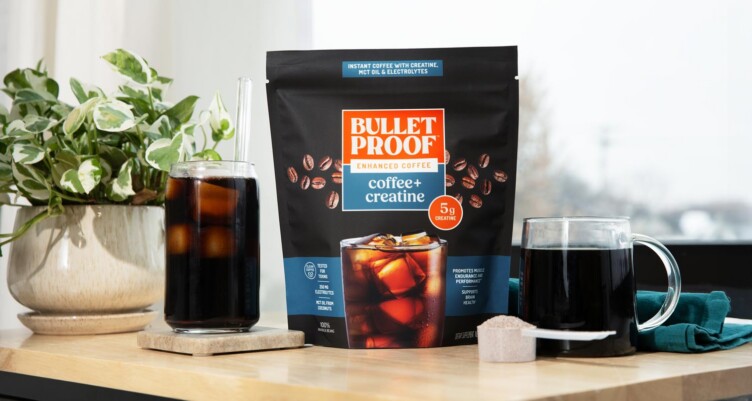
- Creatine is a popular dietary supplement that’s been used by bodybuilders for decades to support increased muscle mass and exercise performance.
- Creatine increases energy production in your mitochondria. That extra energy can enhance cognitive function, muscle strength and athletic performance.
- Learn more about the benefits of creatine, including how it can give your brain a boost. Plus, you’ll find answers to common creatine-related questions, too.
For a long time, creatine has been closely linked with bodybuilders, strength athletes and serious gym-goers. And while it’s true that creatine can support muscle growth and exercise performance, that’s only one part of the story.
Despite being one of the most widely researched dietary supplements available, creatine is still misunderstood. Many assume it’s only useful if you’re lifting heavy weights or training intensely, but research shows that creatine supports foundational energy processes that matter to everyone, whether you’re exercising regularly, juggling a busy schedule or simply looking to feel more energized day to day.[1]
In this article, we’ll break down what creatine actually is, how it works in the body and why its benefits extend well beyond the gym. No hype or promises of overnight results, just a clearer understanding of why creatine has earned its rightful place as a staple supplement.
What Is Creatine?
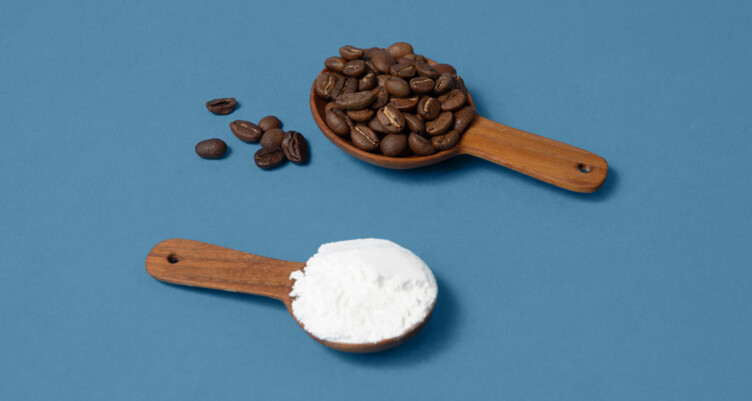
Before we delve into the benefits of creatine, it’s important to understand exactly what it is. While many associate creatine with sports supplements, it’s actually a naturally occurring compound made of three amino acids: arginine, glycine and methionine.
Produced predominantly in the liver and kidneys, creatine synthesis also occurs in the pancreas. There are actually two forms of creatine found in the human body, with the phosphorylated form comprising 60% and free form making up the other 40%. Your skeletal muscle contains 95% of your creatine stores, where it can be harnessed for energy.
Our creatine phosphate system plays a major role when it comes to energy, especially during physical activity. And while consuming red meat is a sound way to increase your muscle creatine stores (uncooked muscle meat contains between 3-6 grams of creatine per kilogram), supplementing can also help unlock several science-backed benefits.[2]
Related: What is Collagen Protein? Your Complete Guide to Collagen Peptides

Benefits of Creatine
Creatine is one of the most researched supplements in the world, and for good reason. Because creatine supports how your cells produce energy, its impact reaches beyond muscles and into overall physical and mental performance.
Supports cellular energy production
Every movement you make, from lifting groceries to standing up from a chair, requires energy. That energy comes in the form of ATP (adenosine triphosphate), which your body produces and uses constantly.
When ATP is used, it turns into ADP (adenosine diphosphate), which can’t be used as energy until it’s recharged. This is where creatine steps in. Stored in your muscles as phosphocreatine, creatine helps recycle ADP back into usable ATP more quickly, so your cells can keep producing energy when demand is high.[3] Creatine helps recycle ADP back into usable ATP more quickly, so your cells can keep producing energy when demand is high.
Creatine also supports healthy mitochondrial function by increasing AMPK [5′ adenosine monophosphate-activated protein kinase] signaling, a pathway that helps your cells respond when energy levels drop by increasing glucose and fat usage for fuel.[4] Research shows that creatine can activate AMPK, promote the creation of new mitochondria, and stimulate antioxidant defenses that help protect cells from oxidative stress.[5]
In simple terms,: creatine helps your cells make and manage energy more efficiently.
Related: Is Beta-Alanine Worth It to Boost Muscle and Workout Performance?
Helps Build Muscle Mass
Muscle growth and strength depend heavily on your body’s ability to produce energy. When energy runs low, fatigue sets in —and that can limit how much work your muscles can do.
By helping regenerate ATP more efficiently, creatine allows for greater training intensity and volume over time. Energy aside, creatine activates several muscle-specific cellular pathways that can lead to muscle growth:
Combined with weight training, creatine may promote a greater number of myonuclei, the nuclei in muscle fibers. The coolest part? You get to keep the extra myonuclei you make, even if you take a break from training and lose your strength.[6]
Supplementing with creatine while resistance training promotes insulin-like growth factor, which supports muscle growth.[7]
Creatine activates protein kinases that assemble skeletal muscle-building proteins.[8]
Creatine supplementation can help promote lean tissue mass and upper and lower body muscular strength during resistance training of older adults.[9]
Boosts Exercise Performance
Whether you’re doing endurance training or high-intensity interval training (HIIT), creatine can offer a significant boost.
A study conducted on 32 healthy, resistance-trained men showed better body mass, fat-free mass and physical performance over a 5-day period. Compared with placebo subjects, the creatine supplementation group had a significantly greater average volume lifted in the bench press, further supporting the use of creatine for getting the most out of your workouts.[10]
More Supplements From Bulletproof


Increases Cellular Hydration
Creatine is sometimes criticized for causing water retention, but this effect is often misunderstood. The extra water creatine draws into muscle cells contributes to proper cellular hydration, not just outward appearance.
Well-hydrated muscle cells are less prone to protein breakdown,[11] making hydration an important (and often overlooked) part of maintaining muscle tissue. Supplementing with creatine monohydrate can support not only the concentration within your muscles, but also total body water, with more fluid being drawn into the muscles.[12]
Related: What’s the Best Way to Stay Hydrated? Focus on Cellular Hydration
Supports Enhanced Athletic Performance
Whether you’re training for competition or simply want to feel stronger and more capable, creatine puts you in a better position to succeed. Having a consistent source of ATP between high-intensity exercises can promote performance and greater training adaptations.[13]
Short-term supplementation has been reported to help with strength and power, single-effort sprint performance and work performed during repetitive sprint performance.[14]
Positively Influences Brain Performance
Thought creatine was just for building muscle? Think again. There’s also research showing that it can help support cognitive function.
Because the brain relies heavily on energy to function at its best, researchers have explored creatine’s role in supporting cognitive processes like memory, focus and mental processing speed. Supplemental creatine has been shown to help increase the brain’s available energy, which may translate to improvements in tasks that require quick thinking, working memory and sustained mental effort, particularly in people whose dietary creatine intake is lower.[15] This research supports the idea that creatine plays a role in overall brain energy capacity, not just physical performance.
Supports Women Through Hormonal Changes
Creatine may also be a useful supplement for women navigating perimenopause and menopause, a time when hormonal shifts can impact energy, mood, and muscle strength.
In one randomized, double-blind trial, medium-dose creatine hydrochloride taken daily for eight weeks improved reaction time and increased frontal brain creatine levels. It also showed favorable mood and metabolic changes in perimenopausal and menopausal women compared with a placebo, with no serious side effects reported.[16]
Additionally, research on older women (many of whom are post-menopausal) shows that creatine combined with resistance training can enhance muscle strength and functional performance compared with resistance training alone. This highlights its potential to support physical function as estrogen levels decline. [17]
While creatine isn’t a cure-all, these findings suggest that it may be a simple, well-tolerated way to support both body and brain energy during a stage of life when many women are looking for extra support.
Creatine FAQ
1. How do I increase my creatine intake?
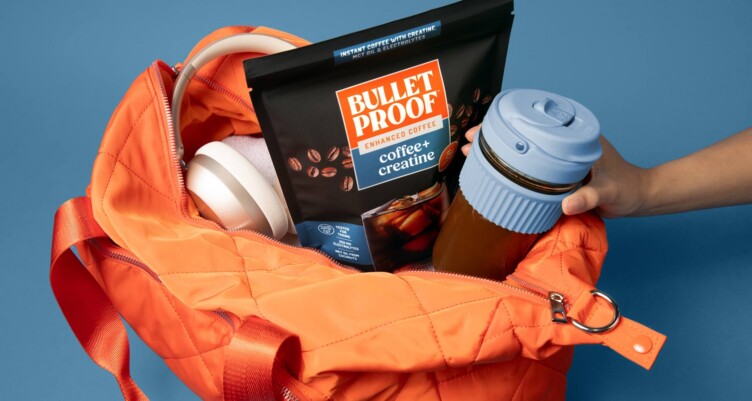
Your body makes creatine, so you always have some at the ready. For a boost, eat grass-fed beef, lamb and pork. Wild-caught fish also contains creatine, but it has less than red meat and pork. In addition to or instead of those food sources, you can supplement with 5 grams of creatine monohydrate per day. Bulletproof™ Coffee + Creatine is a great way to stay consistent in getting your supplemental 5 grams daily.
2. What is a creatine loading phase and is it necessary?
A creatine loading phase typically involves taking 10-20 grams per day for the first week. Whether you load or not, your muscles will saturate at the 3-4 week mark, which means they will have taken in all they can hold. A creatine loading phase isn’t necessary, but it can be a useful way to speed up the process so you can potentially reap the rewards sooner.[18]
3. Are there negative side effects of creatine supplementation?
According to the International Society of Sports Nutrition, there is no compelling scientific evidence that the short- or long-term use of creatine monohydrate has any detrimental effects on otherwise healthy individuals or among clinical populations who may benefit from creatine supplementation. [18]
4. Will creatine cause me to bloat?
Creatine does not cause fat gain or digestive bloating. Some people notice a small, temporary increase in water retention at first, which levels out quickly.
5. Does creatine affect your kidney function?
Although it’s one of the most common concerns, your kidney function is not negatively impacted by creatine supplementation. A study on five healthy men showed that short-term use did not have a detrimental effect on their renal responses.[18]
6. Will taking creatine cause muscle cramping?
Per the International Society of Sports Nutrition, clinical trials show creatine usage does not increase the incidence of muscle cramping. However, there is some conflicting information on this issue. In general, it’s a good idea to pay attention to your hydration and electrolyte levels, as deficiencies in either may lead to cramping issues.
Summary
Creatine is far more than a muscle-building supplement. By supporting cellular energy production, it plays a meaningful role in physical performance, cognitive function and everyday energy, well beyond the gym.
Bulletproof™ Coffee + Creatine makes it easy to stay consistent by pairing 5 grams of creatine monohydrate with toxin-tested Arabica coffee, helping you fuel both body and mind with a ritual you already love.
* Disclaimer: Select sections of this article were edited with the assistance of AI tools and reviewed for accuracy and clarity by the Marketing team.*
Sign up for early access to sales, product launches, the latest Bulletproof news and more!